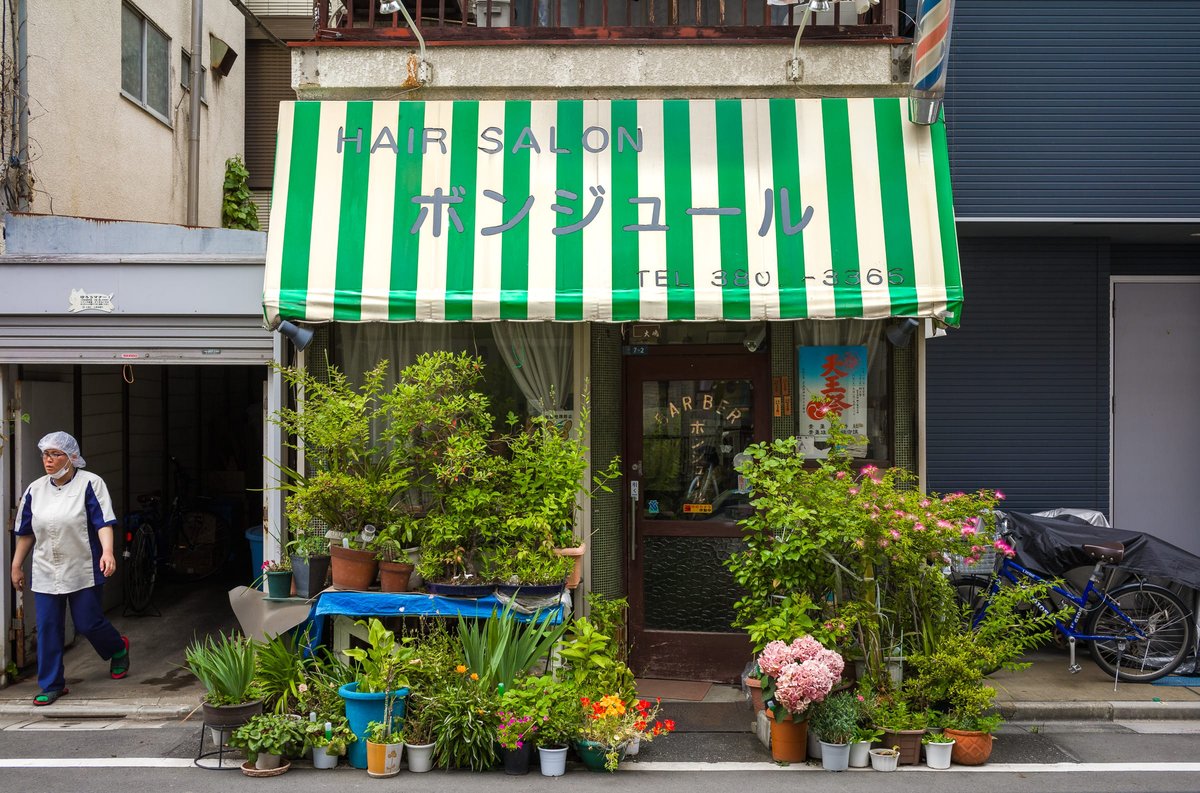
Tokyo's culinary landscape is vast and dazzling, but truly experiencing its soul means venturing beyond the well-trodden tourist paths. To uncover the city's authentic pulse, you need to navigate its hidden alleys and quiet neighborhoods, seeking out the kind of secret local restaurants Tokyo's non-touristy food scene keeps for itself. These aren't just places to eat; they're windows into local life, offering tastes perfected over generations and an atmosphere far removed from the neon-lit chaos.
At a Glance
- Spot Authenticity: Learn how to identify genuine local eateries that cater to Tokyoites, not tourists.
- Diverse Delights: Discover the various types of non-touristy dining experiences, from tiny izakayas to stand-and-eat tachigui stands.
- Practical Discovery: Get actionable tips for finding these hidden gems using local cues and smart navigation.
- Specific Recommendations: Explore a curated list of truly local, off-the-beaten-path restaurants across Tokyo.
- Cultural Confidence: Understand essential dining etiquette and language tips for a smooth and respectful experience.
Beyond the Guidebook: Why Non-Touristy Matters
Stepping into a local-favorite eatery in Tokyo offers a dramatically different experience than dining at a chain or a highly publicized spot. Here, the focus is squarely on tradition, quality ingredients, and the quiet mastery of a craft. You'll taste flavors that have evolved within specific communities, often reflecting regional specialties or family recipes passed down through decades. This isn't just about food; it's about connecting with the rhythm of daily Japanese life, observing interactions, and savoring meals prepared with genuine care for the local palate. It’s where the true culinary magic of Tokyo lies, distinct from mainstream guidebooks.
Decoding Tokyo's Hidden Culinary Landscape
To effectively hunt for secret local restaurants in Tokyo's non-touristy zones, understanding the types of establishments that thrive away from the spotlight is key. Each offers a unique slice of Japanese dining culture.
Tiny Izakayas and Alleyway Gems
Imagine slipping into a dimly lit, intimate space, often seating only a handful of patrons. These are the quintessential tiny izakayas and alleyway gems. Here, conversation flows softly, and the focus is on a curated selection of drinks—especially regional sake—paired with small plates designed for sharing. Expect expertly grilled skewers (yakitori), ultra-fresh sashimi, and seasonal specialties that showcase the chef's daily market finds. These spots provide a warm, communal atmosphere, making them perfect for unwinding like a local after a long day.
Authentic Ramen & Soba Shops
The pursuit of the perfect bowl often leads to family-run ramen and soba shops, many of which have been perfecting their craft for generations. What sets these secret local restaurants apart is their unwavering dedication to core ingredients: broth simmered for hours, sometimes days, to achieve unparalleled depth; and noodles, often handmade daily, with a distinct texture and bite. Each shop tells a story through its signature bowl, be it a rich tonkotsu ramen or a delicate dashi-based soba, providing a truly authentic taste of Japanese comfort food. Following delicious aromas and local queues is a common, and often rewarding, tip.
Vibrant Market Eateries and Tachigui Stands
For those seeking fresh, fast, and incredibly flavorful experiences, Tokyo's market eateries and tachigui stands are indispensable. While Tsukiji Outer Market is widely known, its inner alleys and surrounding streets still hold culinary treasures. Here, you'll find places serving fresh seafood bowls (kaisendon), crispy tempura, and an array of street snacks prepared with the day's catch. Tachigui literally means "stand and eat," referring to establishments where patrons enjoy quick, delicious meals like soba or sushi while standing at a counter. These are perfect for a rapid, energizing meal and offer a glimpse into the bustling, efficient pace of Tokyo life.
Culinary Gems in Residential Areas
Beyond the major entertainment and shopping districts, Tokyo's quieter residential areas like Yanaka or Shimokitazawa hide some of its most charming culinary secrets. These are the neighborhoods where locals live, shop, and dine, meaning the restaurants cater to everyday tastes rather than tourist expectations. You might discover a cozy curry house serving its unique blend, a small tonkatsu joint perfecting its breaded pork cutlets, or a quiet sushi counter where the chef knows his regulars by name. Dining in these areas offers a truly immersive experience, showcasing the diverse and often understated richness of Tokyo's local food scene.
Your Expedition Playbook: Finding the Undiscovered
Finding secret local restaurants in Tokyo's non-touristy pockets requires a blend of savvy research, keen observation, and a willingness to explore.
Research & Reconnaissance for Authentic Flavors
While mainstream guides might lead you astray, several avenues can point you toward genuine local favorites:
- Local Blogs and Forums: Seek out Japanese-language blogs or forums where locals discuss their favorite neighborhood haunts. Even with translation tools, you can often pick up on names and locations.
- Japanese Social Media: Instagram and other platforms used by Japanese foodies (look for hashtags like #東京グルメ or #地元飯) can reveal visually appealing and truly local spots.
- Off-Peak Hours: Sometimes, visiting popular local spots during slightly off-peak hours (e.g., late lunch, early dinner) can yield a less crowded, more authentic experience and better chances of getting a seat.
- The Queue Test: A line of Japanese locals patiently waiting is almost always a sign of a genuinely good and authentic establishment. Trust the locals!
Navigating and Discovering Hidden Spots
Once you have a few names or general areas in mind, the real adventure begins.
- Wander Purposefully: Many of Tokyo's best-kept secrets are tucked away in narrow alleys or on upper floors of unassuming buildings. Don't be afraid to venture off the main streets. Look up, look down, look sideways.
- Google Maps with an Edge: Use Google Maps, but don't just search for "restaurants." Look at satellite views for tiny backstreets or search for specific Japanese dish names in the area you're exploring.
- Embrace the Unknown: Sometimes, the best discovery is made by simply following your nose or being drawn in by a charming exterior. Be open to serendipity.
For a broader understanding of how to unearth such treasures across Japan, you might find it helpful to Discover hidden local gems. That guide offers overarching strategies for finding unique experiences, which perfectly complement these Tokyo-specific tactics.
Spotlight on True Local Favorites
Based on insights from Tokyoites themselves, here are some examples of secret local restaurants in Tokyo's non-touristy fabric, offering distinct and memorable dining experiences. These are the kinds of places where genuine flavors and local charm converge.
- Maimon Sushi (Shibuya): Tucked away in a small Shibuya alley, this spot is revered for its incredibly fresh sushi and sashimi. Locals particularly rave about their seasonal specials and the renowned uni (sea urchin), which often sells out quickly. It’s an intimate setting where quality reigns supreme.
- Uobei Shibuya Dogenzaka (Shibuya): While it has a modern, high-tech vibe, Uobei maintains a local following due to its innovative sushi train concept. Orders are placed via a tablet and delivered rapidly on a personalized conveyor belt, ensuring ultimate freshness and efficiency—a truly unique, non-traditional yet beloved local experience.
- Nakajima (near Tsukiji Market): A true gem located conveniently near Tsukiji Market, Nakajima is celebrated for its kaisendon (seafood rice bowl). They pride themselves on using the absolute freshest seafood, sourced directly, and serve generous portions that keep locals coming back for more.
- Yamagen (Shinjuku): Hidden within a labyrinthine Shinjuku alleyway, Yamagen specializes in traditional Japanese cuisine with a frequently changing seasonal menu. Expect beautifully grilled fish, expertly prepared vegetables, and exquisite sake pairings in a tranquil, unassuming setting.
- Akasaka Sake Bar (Akasaka): This intimate bar offers a vast and expertly curated selection of sake. The knowledgeable staff are happy to guide you through their offerings, which are perfectly complemented by Japanese tapas, including their signature edamame hummus. It’s a haven for sake enthusiasts.
- Hide-chan Ramen (Shibuya): A beloved Shibuya institution, Hide-chan is known for its distinct tonkotsu ramen. The rich, creamy pork broth is legendary, as are their homemade noodles and the option to customize toppings to your exact preference. It’s a hearty, authentic ramen experience.
- Koenji Gogo (Koenji): In the vibrant, bohemian neighborhood of Koenji, Koenji Gogo is a local favorite for yakitori (skewered chicken). They offer a wide variety of expertly grilled skewers, including their popular tebasaki (chicken wings), all prepared with a master's touch.
- Hakuzen (Akihabara): Surprisingly, Akihabara, known for electronics, hides Hakuzen, a restaurant offering authentic kaiseki cuisine. This traditional multi-course meal is an art form here, with each beautifully arranged seasonal dish reflecting the pinnacle of Japanese culinary aesthetics and flavor.
- Oden Kappo Naka (Alleyway Restaurant): This charming alley restaurant is a specialist in oden, a beloved Japanese comfort food featuring various ingredients (such as daikon, eggs, and fish cakes) gently stewed in a light, soy-based broth. It's the perfect warm, nourishing meal on a chilly Tokyo evening.
- Sushiryori Ichiyumi (Heart of Tokyo): An incredibly intimate establishment with only six seats, Sushiryori Ichiyumi offers a deeply traditional sushi experience. Crafting exquisite sushi with fresh, high-quality ingredients, this is a spot where reservations are highly recommended, sometimes weeks in advance, to secure a seat at the counter.
Navigating the Local Dining Experience
Once you've found one of these secret local restaurants in Tokyo's non-touristy areas, knowing a few cultural nuances will significantly enhance your experience.
Essential Etiquette for a Smooth Meal
- Reservations: For very small or high-end local spots (like Sushiryori Ichiyumi), reservations are often essential. If you don't speak Japanese, asking your hotel concierge to call on your behalf is the easiest route.
- Cash is King: Many smaller, independent eateries, especially izakayas or ramen shops, may only accept cash. Always carry some yen.
- Quiet Appreciation: Japanese dining culture values quiet contemplation and appreciation of the food. Avoid loud conversations or excessive noise.
- Before & After: Say "Itadakimasu" (I humbly receive) before eating and "Gochisousama deshita" (Thank you for the meal) afterward to show respect for the food and the chef.
- No Tipping: Tipping is not customary in Japan and can sometimes be seen as rude or confusing. The service charge, if any, is already included in the bill.
Bridging the Language Barrier
While many non-touristy establishments might not have English-speaking staff or menus, don't let this deter you.
- Pointing and Pictures: Many restaurants have picture menus or display plastic food models (sampuru) in their windows. Pointing is perfectly acceptable.
- Translation Apps: Google Translate (especially its camera function for menus) can be a lifesaver.
- Simple Phrases: Learning a few basic phrases like "Sumimasen" (Excuse me/Sorry), "Arigato gozaimasu" (Thank you), and "Oishii" (Delicious) goes a long way.
- Be Patient and Polite: A friendly smile and a patient demeanor will generally be met with warmth and understanding, even if communication is difficult.
Ordering Smartly
When faced with an unfamiliar menu, a few strategies can help you enjoy your meal to the fullest.
- Observe Other Diners: Look at what others are eating. If a dish looks appealing, you can try pointing to it or miming that you'd like "the same."
- Ask for "Osusume": This means "recommendation." If staff understand some English, they can often point you to a popular or seasonal dish.
- Trust the Chef (Omakase): In sushi restaurants or higher-end establishments, "omakase" (chef's choice) is a fantastic way to experience the chef's best work. It often involves a multi-course meal tailored to fresh ingredients and the chef's expertise.
Quick Answers: Unlocking Tokyo's Non-Touristy Dining
How do I know if a place is truly "non-touristy"?
Look for specific cues: menus predominantly in Japanese (sometimes with no pictures), very few or no non-Japanese patrons, a quiet and unassuming exterior, and locations slightly off main roads, often in residential districts or tucked into alleyways. Local queues are a strong indicator.
Do I need to speak Japanese to dine at these places?
Not necessarily. While it helps, many smaller eateries are accustomed to foreign visitors and are adept at using gestures, simple English words, or picture menus. Carrying a translation app is highly recommended. Patience and politeness are your best assets.
Are these "secret local restaurants Tokyo non touristy" expensive?
Not always. Many authentic local eateries, especially ramen shops, izakayas, and market stands, are surprisingly affordable and offer excellent value. High-end sushi or kaiseki, however, will naturally be more expensive, regardless of tourist volume.
How do I make reservations for small, local spots?
For intimate, high-demand places, asking your hotel concierge to make a reservation on your behalf is the most reliable method. They can navigate language barriers and specific booking requirements. Some might use online booking, but it's rare for truly tiny, local gems.
What's the best way to find them on the fly?
Wander purposefully down side streets and through residential neighborhoods. Look for establishments with simple, traditional facades, local people lining up, or delicious aromas wafting out. Don't be afraid to take a chance on a place that simply looks inviting.
Your Next Culinary Adventure Starts Now
The journey to uncover secret local restaurants in Tokyo's non-touristy heart is as rewarding as the meals themselves. It requires a curious spirit, a willingness to step outside your comfort zone, and a keen eye for the understated. By focusing on authentic types of eateries, leveraging smart discovery tactics, and understanding local customs, you're not just finding a meal; you're unlocking a deeper appreciation for Tokyo's rich culinary heritage. Go forth, explore those hidden alleys, follow the local queues, and prepare to savor the true, unvarnished flavors of this incredible city.