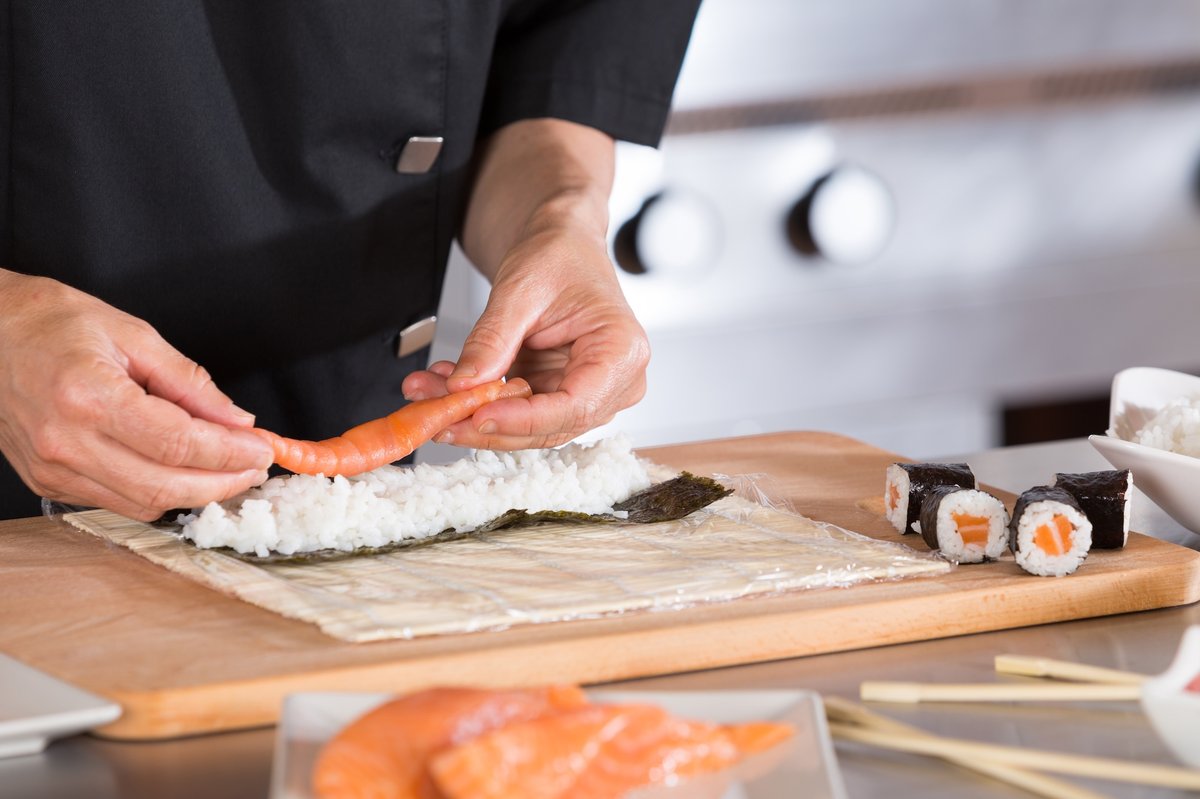
Tokyo's culinary landscape is a symphony of flavors, traditions, and innovation, drawing gourmands from every corner of the globe. But to truly unlock its magic – to move beyond the tourist traps and truly savor the city's heart – requires a bit of savvy. This isn't just about finding good food; it's about navigating a rich cultural experience. These practical tips for dining in Tokyo will empower you to eat like a local, ensuring every meal is an unforgettable adventure, steeped in authentic tastes and genuine hospitality.
Forget the guidebooks that only point to the most famous, often overcrowded, spots. Tokyo's real culinary soul thrives in its hidden alleys, bustling neighborhood eateries, and discreet counter-service gems. Preparing yourself with a few key insights will transform your dining experience from merely eating to truly experiencing Tokyo.
At a Glance: Your Quick Guide to Dining Like a Local
- Go Local: Seek out neighborhood spots, not just tourist hubs.
- Tabelog is Gold: Use this Japanese review site; aim for 3.5+ ratings.
- Follow the Lines: Locals line up for a reason; these queues move fast.
- Embrace Smallness: Tiny, counter-only restaurants often offer the best experiences.
- Reservations are Key: Essential for high-end spots, courteous for groups.
- Mind Your Manners: Understand basic Japanese dining etiquette.
- Try Everything: Don't limit yourself to familiar dishes.
- No Tipping: It's simply not done in Japan.
- Translation Apps: Your best friend for deciphering menus.
The Hunt: How to Find Tokyo's Culinary Gems
Finding the perfect meal in Tokyo is less about grand declarations and more about subtle clues and local knowledge. While guidebooks might point you to the most obvious choices, true food adventures begin by looking where the locals do.
Go Beyond the Glitz: Why Neighborhoods Rule
You might be tempted to stick to the well-trodden paths of Shibuya or Shinjuku for food. While they offer options, these hubs can be overpriced and cater heavily to tourists, sometimes sacrificing authenticity for convenience. To truly eat like a local, you need to venture a little further afield.
Explore vibrant, slightly off-the-beaten-path neighborhoods like Koenji, Kichijoji, Nakano, or Ebisu. These areas buzz with local life, offering an incredible array of eateries – from cozy izakayas to specialized ramen shops – often at much better value. Here, you’ll find chefs pouring their passion into dishes, serving a primarily local clientele, guaranteeing a more genuine taste of Tokyo.
Your Secret Weapon: Mastering Tabelog
In Japan, Yelp and Google Maps reviews pale in comparison to Tabelog. This is the authoritative Japanese restaurant review site, meticulously used by locals. Think of it as your ultimate insider tip. It features detailed reviews, photos, and ratings, often in Japanese, but most browsers offer translation functions that get the job done.
Practical Tip: When browsing Tabelog, look for restaurants with a rating of 3.5 or higher. This is generally considered the benchmark for fantastic food. Anything above 3.7 or 3.8 is often exceptional and worth seeking out. Don't be intimidated by the interface; once you get the hang of it, Tabelog will lead you to countless unique, hidden gems that most tourists never discover.
The Queue Clue: Follow the Crowds
One of the most reliable indicators of a truly beloved local spot is a line out the door. Don't mistake these for tourist traps; locals are discerning diners, and they'll happily queue for quality. These lines, especially at popular ramen or sushi counters, typically move surprisingly fast due to efficient service.
Why it works: Japanese restaurants prioritize efficiency. Staff are adept at managing queues and turning tables. A long line isn't a sign of slow service, but rather of a highly sought-after, often delicious, experience that locals deem worth the wait. Join them; you'll rarely be disappointed.
Unlocking Flavor: The Magic of Daily Specials
Always keep an eye out for handwritten signs or separate menus, often taped to walls or presented on clipboards. These are usually the "daily specials" (今日のおすすめ - kyou no osusume) and are your gateway to the freshest, most seasonal, or chef-inspired creations. These items can often be the best and most unique dishes available, showcasing ingredients at their peak or a chef's latest innovation.
Similarly, don't limit yourself to the English menu if one is provided. English menus are often simplified, omitting local favorites or more adventurous dishes. With a translation app on your phone, you can explore the full Japanese menu, opening up a world of culinary possibilities that most tourists miss. Many a delightful discovery has been made by pointing to an intriguing item on the Japanese menu and letting a translation app do the work.
Navigating the Tokyo Dining Experience: Etiquette & Logistics
Once you've found your culinary destination, understanding the local customs and practical logistics will make your dining experience smooth, respectful, and truly enjoyable.
Embrace the Cozy: Don't Be Intimidated by Small Spots
Many of Tokyo's finest restaurants, particularly for sushi, ramen, or yakitori, are tiny establishments with only a handful of seats, often arranged around a counter. These can feel daunting if you're not used to them, especially with language barriers or all-Japanese menus. However, don't let this deter you.
Most staff in these local spots are incredibly welcoming and accustomed to assisting foreign visitors, especially if you come prepared with a translation app or a few basic Japanese phrases. Counter dining, in particular, offers an intimate experience, allowing you to watch chefs at work – a true spectacle for any food lover. It's also ideal for solo diners, offering a front-row seat to the culinary artistry. Large groups might not be seated together but shouldn't miss out on the experience.
Party Size Puzzles: Navigating Seating
Tokyo restaurants are often built for efficiency and space-saving. This means seating arrangements are optimized.
- Two diners: Usually the easiest party size to accommodate.
- Four diners: You might face a short wait, especially during peak hours.
- Five or more: This is where it gets tricky. Many smaller establishments simply cannot seat such a large group together. It's often necessary to call ahead (your hotel concierge can be a huge help here). At quick-turnover places like noodle counters, consider splitting into pairs to expedite seating and reduce waiting time.
The Reservation Rundown: Plan Ahead for Perfection
Reservations are a crucial part of dining in Tokyo, especially for certain types of establishments.
- Casual Eateries: For everyday ramen shops, izakayas, or other casual spots, reservations are often not taken. Your best bet is to show up outside peak dining times. Aim to avoid the lunch rush (11:30 AM - 1:00 PM) and the early dinner crowd (6:00 PM - 7:30 PM). Be mindful that many smaller restaurants also have mid-afternoon closures.
- High-End & "Destination" Restaurants: For Michelin-starred establishments, fine dining experiences, or highly sought-after local gems, reservations are not just recommended – they are absolutely essential, often needing to be made weeks or even months in advance. These are also the opportunities to discuss any dietary restrictions you might have beforehand. To navigate this process, you can find detailed guides on how to Book Tokyo restaurants in English effectively.
The No-Show Impact: A critical point to understand is the severe impact of no-shows, particularly by foreign visitors. Small, tight-margin restaurants rely on every reservation. A no-show can mean significant financial loss for them and can incur hefty cancellation fees, sometimes up to the full meal cost. If your plans change, always inform the restaurant, ideally a day in advance. Your accommodation concierge can usually assist with this call, making it much easier.
Navigating Dietary Requirements: A Proactive Approach
Japan doesn't have a strong culture of menu modifications. While awareness is growing, many dishes are prepared with a fixed set of ingredients. For specific dietary needs (vegetarian, vegan, allergies like gluten or nuts), proactive research is paramount.
- Research in Advance: Use Tabelog or specialized blogs to find restaurants known for accommodating specific diets. For example, if you're seeking plant-based meals, looking up guides like Shibuyas Best Vegetarian Eats can save you a lot of time and uncertainty.
- Communicate Early: When making reservations, clearly communicate your dietary needs.
- Allergen Cards: Carrying a physical allergen card translated into Japanese can be incredibly helpful for staff. Websites like Just One Cookbook offer printable versions. Remember, even seemingly simple dishes might contain hidden ingredients like dashi (fish stock).
"The Form": Your Turn in Line
At popular casual restaurants, especially for lunch, you might encounter a clipboard list (or a tablet) at the entrance. This is "the form" used to manage queues.
- How to use it: Fill in your name (名前 - namae) and the number of diners (人 - nin or mei). You might also see options for seating preference: テーブル (tēburu for table), カウンター (kauntā for counter), or どちらでも (dochira demo for either). Writing your name in katakana (e.g., your first name) can sometimes help staff pronounce it.
- If you leave: Should you decide the wait is too long or plans change, politely cross out your name from the list.
Be Mindful of Time: The Rhythm of Dining
Tokyo restaurants, especially during lunch hours, operate on a fast turnover model. It's not customary to linger excessively over drinks without ordering more food, particularly at busy noodle counters. The expectation is to eat, enjoy, and then free up the table for the next eager diner.
If you wish to chat longer, catch up with friends, or simply savor a coffee, it's considered polite to move to a nearby cafe or separate establishment specifically designed for lingering. This respects the restaurant's business model and the other patrons waiting.
Reading the Room: Subtle Cues & Chopstick Taboos
Dining in Japan is often about subtle understanding and respect. "Reading the room" and adjusting to the restaurant's ambiance is key.
- Chopstick Etiquette: Avoid sticking chopsticks upright in your bowl of rice, as this resembles an offering made at Buddhist funerals. Also, never pass food directly from your chopsticks to another person's chopsticks – this mimics a funeral rite where bone fragments are passed.
- Compliments: A simple "oishii desu!" (this is delicious!) is always appreciated and a wonderful way to show your enjoyment and gratitude.
- Don't Limit Yourself: Be adventurous! Don't stick to only familiar dishes. Observe what your neighbors are eating, or ask the staff (with your translation app) about interesting items. Some of the best culinary surprises come from stepping outside your comfort zone.
Basic Etiquette: Tipping & Courtesies
One of the most common questions from foreign visitors is about tipping. The answer is simple: No tipping is required, expected, or even accepted in Japan. Attempting to tip can actually be considered rude or confusing. The service charge is usually included in the price, and excellent service is simply part of the culture.
Beyond tipping, common courtesies include avoiding excessively loud phone calls, especially in quieter establishments. Before you eat, a polite "Itadakimasu" (いただきます), roughly meaning "I humbly receive," is a common expression of gratitude for the food and effort put into it. After finishing your meal, "Gochisousama deshita" (ごちそうさまでした), meaning "It was a feast," is a well-received way to thank the chef and staff. For a deeper dive into dining manners, consider reading up on Navigating Tokyo restaurant etiquette.
The Unsung Heroes: Chain Restaurants
While the focus is often on unique local spots, don't overlook Tokyo's excellent chain restaurants. Many locals frequent these establishments for their reliability, consistent quality, and often, incredible value.
Chain restaurants are typically:
- Less Strict: Generally more relaxed about dining customs.
- Group-Friendly: Better equipped to accommodate larger groups.
- Multilingual: Often provide English menus and sometimes offer children's meals.
- Allergy Info: Increasingly, they provide allergen lists upon request.
- Smoke-Free: Many are smoke-free, which can be a plus.
Look out for "family restaurants" (ファミレス - famiresu) like Saizeriya, Gusto, or Denny's Japan, which offer a wide menu and often include a "drink bar" for unlimited refills. These provide a convenient, comfortable, and affordable option, perfect for a casual meal or a quick bite between explorations.
Your Next Delicious Step in Tokyo
Dining in Tokyo is more than just sustenance; it's an immersion into a culture that deeply values quality, presentation, and hospitality. By adopting these practical tips, you're not just eating out; you're participating in a nuanced culinary tradition. You'll gain access to unforgettable meals, discover hidden gems, and, most importantly, connect with the city on a deeper, more authentic level.
So, next time you step out for a meal in this incredible metropolis, remember to look beyond the obvious. Use your newfound knowledge, a translation app, and a dash of adventurous spirit. Don't be afraid to try something new, embrace the local customs, and savor every bite. Your Tokyo food adventure awaits!