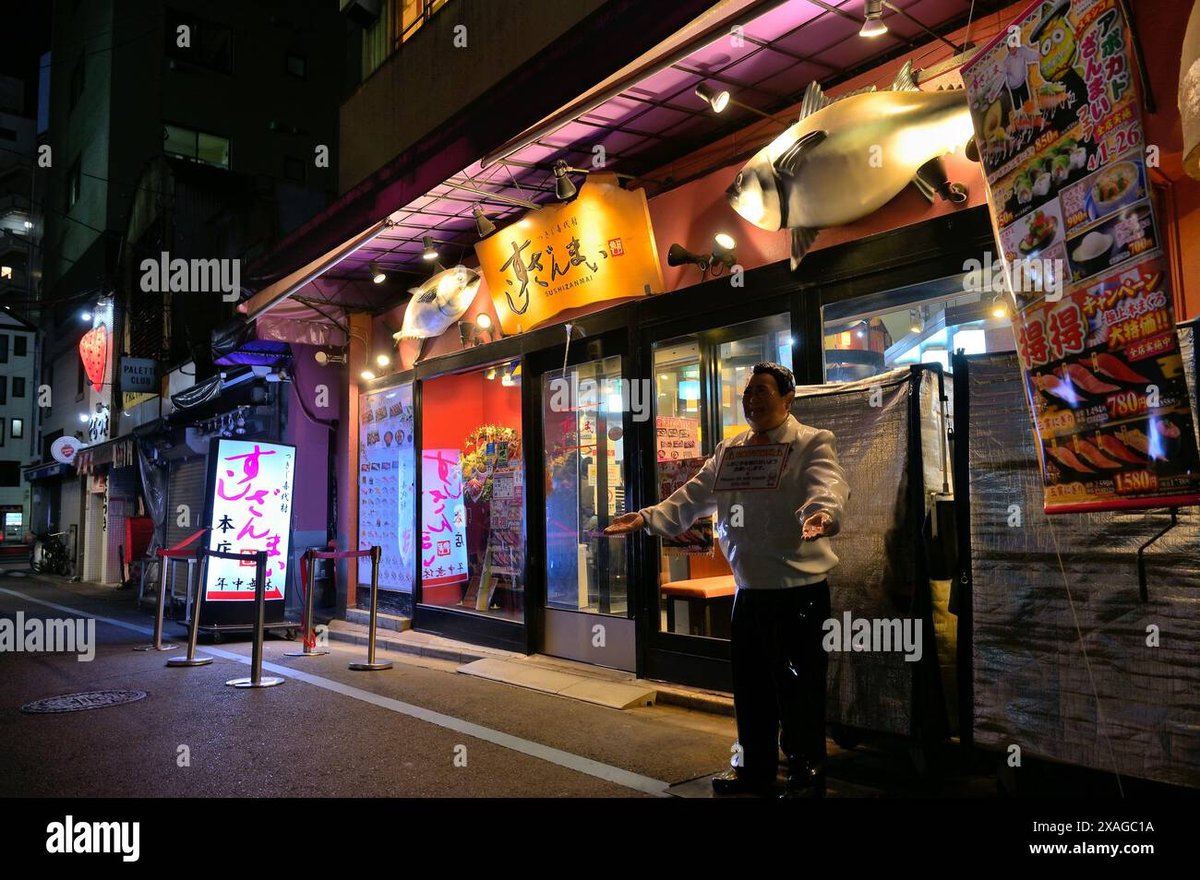
Tokyo isn't just a city; it's a living, breathing culinary phenomenon, a place where ancient traditions gracefully meld with cutting-edge innovation. With more Michelin stars than any other city on earth, it's a global beacon for high-quality, seasonal ingredients and masterful preparation. If you're charting a course for Japan, getting lost in the world of Iconic Tokyo Cuisines isn't just an activity—it's an essential part of the journey, promising an adventure for every palate.
Forget what you think you know about Japanese food. Tokyo's gastronomic landscape is vast and incredibly diverse, stretching far beyond sushi to encompass hearty noodle bowls, delicate fried delights, comforting home-style dishes, and adventurous street food. Each bite tells a story, steeped in history and refined by generations of dedicated chefs.
At a Glance: Your Tokyo Culinary Cheat Sheet
- Tokyo is a Michelin Star Powerhouse: The undisputed culinary capital with the most Michelin-starred restaurants globally.
- Flavor Foundation: The "Holy Trinity" of Japanese cooking is shoyu (soy sauce), mirin (sweet rice wine), and dashi (umami-rich stock).
- Navigate Like a Local: Use Tabelog (stricter ratings, 3/5 is excellent) or Google Maps (higher ratings, popular with tourists). Search in Japanese for local gems.
- Must-Try Dishes: Ramen, Sushi, Tempura, Tonkatsu, Monjayaki (Tokyo's unique savory pancake), and a world of other delights.
- Vegetarian Options Exist: Look for Shojin Ryori (Buddhist temple cuisine) or be vigilant about hidden fish/meat ingredients like dashi or katsuobushi.
- Rice is King: Short-grain, sticky Japanese white rice is a staple, often a backdrop to flavorful dishes.
- Beyond the Restaurant: Don't miss konbini (convenience store) finds like Onigiri for quick, delicious bites.
Why Tokyo's Food Scene Reigns Supreme
Tokyo’s reputation as a culinary mecca isn't just hype. It's built on a foundation of unwavering dedication to quality, a deep respect for seasonal ingredients, and a constant drive for perfection. Chefs here are artists, meticulously sourcing everything from the freshest seafood at the legendary Toyosu Market (formerly Tsukiji) to prime cuts of Wagyu beef and pristine regional vegetables.
This commitment extends to every level, from humble ramen stalls to exquisite Kaiseki restaurants. You'll find a blend of long-held traditions—like the centuries-old Edo-style sushi—alongside bold innovations that constantly push the boundaries of flavor and presentation. It's this dynamic balance that makes dining in Tokyo an unparalleled experience.
Deciphering Tokyo's Flavor Language: Essential Terms & Ingredients
Before diving into specific dishes, let's arm you with a basic vocabulary that will make navigating menus and understanding flavors a breeze.
The "Holy Trinity" of Japanese Flavor
These three ingredients form the backbone of countless Japanese dishes, contributing depth, sweetness, and that unmistakable umami punch:
- Shoyu (Japanese Soy Sauce): Made from soybeans and wheat, it's typically sweeter and lighter in flavor compared to other Asian soy sauces. It’s a fundamental seasoning.
- Mirin (Sweet Rice Wine): A low-alcohol, high-sugar rice wine, mirin adds a subtle sweetness and glaze to many dishes, from teriyaki to donburi.
- Dashi (Umami-Rich Broth): The ultimate flavor enhancer. Dashi is a simple yet profound stock, typically made from kombu (kelp), katsuobushi (bonito flakes), or shiitake mushrooms. It provides a savory, almost oceanic depth to soups, sauces, and simmering liquids.
Core Culinary Terminology
- Katsu: A cutlet, typically meat, breaded in panko crumbs and deep-fried.
- Age: Simply means "fried."
- Yaki: Implies "grilled" or "cooked over direct heat."
- Men: Refers to noodles or noodle dishes.
- Soba: Buckwheat noodles.
- Don: Short for "donburi," meaning a rice bowl topped with various ingredients.
- Gyu: Beef.
- Tori: Chicken.
- Buta/Ton: Pork.
Combine these, and you start to see familiar dishes emerge: Gyudon (beef rice bowl), Tonkatsu (pork cutlet). It's like unlocking a secret code!
The Foundation: Japanese Rice
Often overlooked but incredibly important, Japanese white rice is a short-grain, sticky variety known for its distinctive flavor and chewy texture. Varieties like Koshihikari are prized for their quality, serving as the perfect canvas for almost any Japanese meal.
Navigating Tokyo's Dining Scene: Finding Your Next Meal
With an overwhelming number of restaurants, how do you find the best spots? Here's the insider scoop:
- Tabelog: This is Japan's most popular restaurant review site. Be warned: the rating system is incredibly strict. A 3/5 rating on Tabelog is considered very good, 4/5 is outstanding, and anything 5/5 is practically "god-tier" and exceedingly rare. Don't be discouraged by what seems like a low score compared to Western review sites.
- Google Maps: While more commonly used by tourists, it’s still effective. Ratings tend to be higher here. For finding truly local gems, try searching in Japanese (e.g., 豚カツ or とんかつ for Tonkatsu) – you might uncover spots not optimized for English searches.
Iconic Tokyo Cuisines You Absolutely Must Taste
From slurp-worthy noodles to delicate raw fish, here’s a guide to the essential culinary experiences awaiting you in Tokyo.
Ramen & Tsukemen: The Noodle Nirvana
No trip to Japan is complete without ramen. This Japanese noodle soup, with its myriad of regional variations, is a dish of endless fascination.
- Ramen: Expect a rich broth (shoyu/soy sauce, shio/salt, miso, or the rich, milky tonkotsu/pork bone), chewy noodles, and an array of toppings like chashu (braised pork), ajitsuke tamago (marinated egg), and nori (seaweed). While often associated with specific regions, Tonkotsu ramen, with its creamy broth, is universally popular. Don't shy away from lighter options like Shio ramen, either.
- Tsukemen: A Tokyo innovation from the 1960s, tsukemen offers a unique twist: the noodles are served cold and dry, meant to be dipped into a separate, intensely flavorful, and often thicker broth. It’s a delightful interplay of textures and temperatures. Finding some of the best Shinjuku ramen spots is an adventure in itself, with countless variations to explore.
Soba & Udon: Japan's Staple Noodles
Beyond ramen, soba and udon are foundational Japanese noodle types, enjoyed year-round.
- Soba: Thin, often brown noodles made from buckwheat flour. They have a distinct, slightly nutty flavor and a firm texture. You'll find soba served hot in broths or cold with a dipping sauce (zaru soba) as a refreshing meal, especially popular for a quick lunch.
- Udon: Thick, chewy, white noodles made from wheat flour. Udon is incredibly versatile, served hot in a clear dashi broth or cold with various toppings. Their satisfying chewiness makes them a comforting choice.
Sushi & Sashimi: The Edo Legacy
Tokyo is the world capital for sushi, particularly the Edomae-style sushi (nigiri) that originated here in the 1800s.
- Sushi: The art of sushi in Tokyo is unparalleled. The nearby Toyosu Market (and its predecessor Tsukiji) ensures access to the freshest fish imaginable. Edomae-style emphasizes expert preparation of each piece, often with a touch of wasabi or soy sauce already applied by the chef. Beyond raw fish, try Unagi (freshwater eel) or Anago (sea eel), both typically grilled and basted with a sweet sauce.
- Sashimi: Slices of raw fish or seafood, served without rice. It's a pure expression of the ingredient's quality and the chef's knife skills.
- Sabazushi: A historical method of preserving mackerel through pickling, offering a different, tangy flavor profile.
If you're looking for an unforgettable meal, exploring Ginza's best sushi spots will lead you to some of the world's most revered sushi counters.
Tempura: Light, Crispy Perfection
Tempura, the delicate art of deep-frying seafood and vegetables in a light batter, gained immense popularity in Edo (old Tokyo) due to its abundance of fresh seafood and its rise as a street food.
- Tempura: Unlike heavier Western fried foods, good tempura is remarkably light and crisp. Ingredients like shrimp, various white fish, and seasonal vegetables are coated in a thin batter and quickly fried, often served with a dipping sauce (tentsuyu) and grated daikon. For a truly sublime experience, consider a Michelin-starred establishment like Tempura Kondo in Ginza.
Tonkatsu & Gyukatsu: Crispy Cutlet Comfort
These deep-fried cutlets are a celebration of rich flavor and satisfying crunch.
- Tonkatsu: A beloved Japanese dish featuring thick slices of pork, breaded in panko crumbs and deep-fried to a golden crisp. It’s typically served as a set meal (teishoku) with shredded cabbage, miso soup, a dollop of mustard, grated daikon, and unlimited rice and tea. You can choose between Hire-katsu (leaner, more expensive tenderloin) or Rosu-katsu (fattier, juicier loin). It's often considered a luxurious comfort food.
- Gyukatsu: The beef counterpart to tonkatsu. Slices of beef are breaded and quickly fried, often to a medium-rare finish, allowing the quality of the beef to shine through. It's served similarly to tonkatsu.
The Heartwarming Donburi Bowls
Donburi bowls are essentially generous servings of rice topped with various savory ingredients, making them complete, satisfying meals.
- Oyakodon: Meaning "parent and child" bowl, this comforting dish features tender chicken and soft scrambled egg simmered together in a sweet and savory dashi-based sauce, all served over a bed of fluffy rice. It's a classic home-style dish.
- Gyudon: Thinly sliced beef and onions simmered in a dashi, shoyu, and mirin broth, then artfully arranged over a bowl of rice. It’s an iconic fast-food staple, incredibly delicious and widely available.
Street Food & Izakaya Favorites
Tokyo's culinary scene isn't limited to formal restaurants. Dive into the vibrant world of street food and casual izakaya bars for a taste of local life.
- Okonomiyaki: A savory Japanese pancake, whose name means "grill it as you like it." It’s highly customizable with various ingredients (meat, seafood, vegetables) mixed into a flour-based batter and cooked on a teppanyaki grill. While the Kansai style (all ingredients mixed) is common, the Hiroshima style (layered ingredients) is also popular.
- Monjayaki: A Tokyo specialty! Similar to okonomiyaki but with a much thinner, runnier batter (more dashi). It's cooked on a tabletop griddle, creating a crispy crust and gooey interior. Locals scrape it directly off the griddle with small spatulas. Tsukishima Monja Street is the place to experience this unique dish.
- Takoyaki: These delightful, spherical street food snacks are made from a wheat-flour batter filled with diced octopus, ginger, and green onion, then grilled in special molded pans. They're typically served with takoyaki sauce, mayonnaise, and bonito flakes. Originally from Osaka, they're a popular sight across Tokyo.
- Kushiyaki & Yakitori: Skewered and grilled delights. Kushiyaki is a general term for grilled skewers of meat, vegetables, or seafood. Yakitori specifically refers to grilled chicken skewers, where every part of the chicken, from thigh to skin, is expertly prepared. These are fantastic with a cold beer and commonly found in izakayas. To truly experience authentic Shibuya Izakayas, make sure to try a few different skewers.
- Kushikatsu/Kushiage: Skewered vegetables and meats, coated in panko and deep-fried. Often served omakase (chef's choice) style, where the chef continuously brings out new skewers until you say stop.
- Oden: A comforting hot pot dish, perfect for cooler evenings. Various ingredients like fish cakes, daikon radish, boiled eggs, and konjac are simmered in a light dashi-soy broth for hours, infusing them with flavor. You'll find it in izakayas and even convenience stores.
Beyond the Everyday: Unique Tokyo Delights
Tokyo boasts some truly unique dishes with deep historical roots.
- Unagi (Freshwater Eel): One of the "Four Foods of Edo," unagi is a delicacy. The freshwater eel is typically grilled with a sweet, savory tare sauce (Tokyo's version tends to be sweeter) and served over rice as Unaju (in a lacquer box) or Unadon (in a bowl). Edomae unagi often involves a two-step cooking process: steaming the eel before grilling to achieve a wonderfully tender texture.
- Dojo (Loach): A small freshwater fish, dojo is a unique ingredient in Tokyo. You might find it in dishes like Yanagawa nabe (a hot pot) or Dojo-jiru (a miso soup), offering a distinct local flavor.
- Fukagawa-meshi: A traditional dish from the Fukagawa district of Tokyo, featuring rice cooked with clams, miso, and green onions. A simple yet incredibly flavorful dish rooted in the city’s fishing history.
Yoshoku: Japanese-Western Fusion
Yoshoku refers to Western-influenced dishes that have been adapted and perfected by Japanese chefs, creating entirely new culinary genres.
- Japanese Curry Rice (Kareraisu): Distinctly different from Indian or Thai curries, Japanese curry is typically sweeter, milder, and thicker. It's a comforting, hearty dish served with rice and various toppings like katsu, beef, or vegetables. Tokyo's Kanda district is famously known as a "Curry Battleground" with countless curry shops.
- Omurice: A cozy, comforting dish featuring a fluffy omelet draped over seasoned rice (often ketchup-flavored chicken rice), typically served with a drizzle of ketchup or a rich demi-glace sauce. It's a popular home-style meal.
Quick Bites & Portable Pleasures
For those on the go, Tokyo offers incredibly convenient and delicious options.
- Onigiri/Omusubi: These iconic Japanese rice balls are the ultimate portable snack. They come in countless varieties, filled with ingredients like grilled salmon, tuna mayonnaise, or umeboshi (pickled plum), and wrapped in nori seaweed. Find them fresh and affordable at any konbini (convenience store)—perfect for a picnic or quick meal.
- Teishoku (Japanese Set Meal): A comprehensive meal consisting of a main protein dish (like grilled fish, tempura, or tonkatsu), served with rice, miso soup, and often a few small side dishes like pickles (tsukemono). Gindara (grilled miso-marinated black cod) is a popular teishoku protein choice.
Refined Dining & Seasonal Feasts
For a truly immersive culinary experience, consider these traditional options.
- Kaiseki: A multi-course traditional Japanese dinner, often served at ryokans (traditional inns). Kaiseki is an art form, emphasizing local seasonal ingredients, intricate presentation, and delicate flavors, served with impeccable etiquette.
- Nabe (Hotpot): A communal dish, perfect for sharing, especially during cooler months.
- Shabu-shabu: Thinly sliced meat (often beef) and vegetables are briefly swished ("shabu-shabu") in a light, clear broth and then dipped in various sauces (ponzu or sesame).
- Sukiyaki: A sweeter, more intensely flavored hot pot where meat and vegetables are simmered in a dark, savory-sweet soy sauce broth, often dipped into a raw egg yolk before eating.
Sweet Treats & Refreshments
Don't forget to indulge your sweet tooth!
- Dango: Chewy, skewered rice flour dumplings. Mitarashi dango are grilled and drizzled with a sweet soy glaze, while Hanami dango are tri-colored (pink, white, green) to symbolize the cherry blossom season.
- Matcha: Finely ground green tea powder, celebrated for its vibrant color and earthy flavor. Beyond the traditional tea ceremony, matcha is a beloved ingredient in ice cream, cakes, lattes, and various other desserts across Tokyo.
Special Considerations for Diners in Tokyo
Tokyo’s culinary landscape is vast, but it's good to be aware of a few specifics.
Vegetarian & Vegan in Tokyo
Finding truly vegetarian or vegan food in Japan can be challenging, but it's becoming easier.
- Hidden Ingredients: The biggest hurdle is dashi (fish stock) and katsuobushi (bonito flakes), which are fundamental to many Japanese dishes, including seemingly innocent ones like miso soup, dipping sauces, and even some vegetable preparations.
- Shojin Ryori: Your best bet for guaranteed plant-based dining is Shojin Ryori, the traditional Buddhist monk cuisine. These meals are entirely plant-based, featuring artfully prepared vegetables, tofu, fermented foods, and grains, often found at temples.
- Konbini Options: For quick bites, look for onigiri with fillings like umeboshi (pickled plum), shio-musubi (plain salted rice ball), kombu (seaweed), or yukari (shiso leaf). Inari sushi (rice in fried tofu pouches) and azuki (sweet red bean) treats are also typically safe.
- Communicate Clearly: Learning a few basic Japanese phrases like "Watashi wa bejetarian desu" (I am vegetarian) or "Niku/Sakana nashi de onegai shimasu" (No meat/fish, please) can be helpful, though not all establishments can accommodate.
Your Tokyo Culinary Adventure Awaits
Tokyo’s food scene is a magnificent tapestry of flavors, traditions, and innovations. It's a city that rewards curiosity and a willingness to explore, where every meal can be a discovery. From the humble satisfaction of a perfectly crafted ramen to the refined elegance of Edomae sushi, the iconic cuisines of Tokyo are not just food—they are experiences that will leave an indelible mark on your memory and your palate.
So, pack your appetite, embrace the adventure, and prepare to taste your way through one of the world's most exciting culinary destinations. Whether you're seeking comfort, luxury, or a simple street-side snack, Tokyo promises an unforgettable feast.