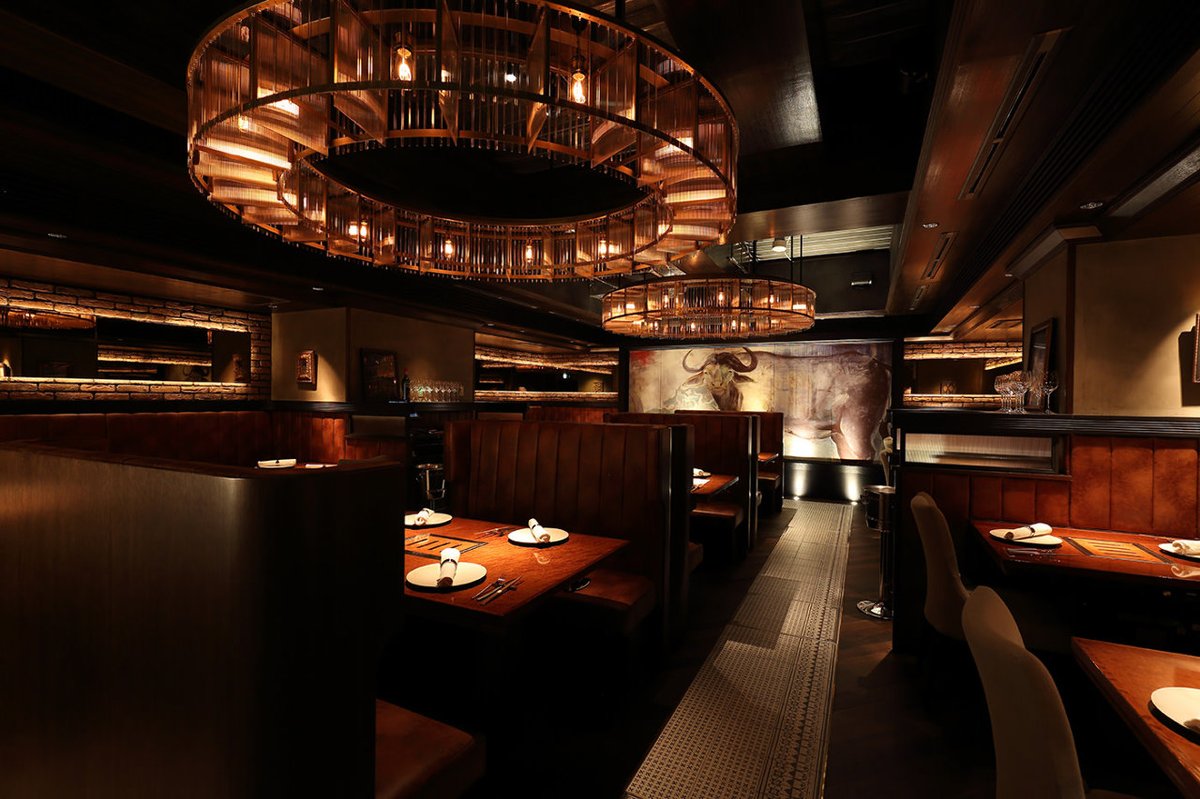
Tokyo's culinary scene is a world unto itself, a vibrant tapestry where centuries-old traditions meet avant-garde innovation. From the quiet reverence of a Michelin-starred sushi counter to the lively bustle of a ramen joint, Budget & Luxury Dining in Tokyo offers an unparalleled spectrum of experiences. It's a city where you can savor exquisitely crafted dishes that push the boundaries of gastronomy one evening, and the next, discover a humble noodle shop serving up a bowl of pure comfort for under ¥1,000. This guide is your compass to navigating Tokyo's vast edible landscape, ensuring every meal is memorable, whether you're splurging on an unforgettable indulgence or seeking out the city's best affordable delights.
At a Glance: Tokyo Dining Essentials
- Diverse Options: Tokyo excels in both ultra-luxury and high-quality, budget-friendly dining.
- Michelin Mastery: Boasts more Michelin stars than any other city, with many high-end options.
- Lunch is Key: Savvy diners use lunch sets to experience fine dining at a fraction of the dinner cost.
- Reservation Savvy: Luxury spots, especially sushi and kaiseki, often require bookings months in advance.
- Seasonal Focus: Ingredients dictate menus, particularly in spring and autumn.
- No Tipping: Service is exceptional and included; tipping is not customary.
- Beyond Sushi: Explore ramen, udon, yakitori, izakaya, and department store food halls for incredible value.
The Tokyo Dining Landscape: A Dual Masterpiece
Tokyo's reputation as a global dining capital isn't just hype; it's a testament to its relentless pursuit of culinary perfection. Experts like Melinda Joe, Kyoko Nakayama, and Santiago Fernandez consistently rank Tokyo as a top city for gastronomy, a place where meticulous attention to detail, impeccable service, and a deep respect for ingredients are paramount. This unique environment fosters both breathtaking luxury experiences and a pervasive culture of quality that extends even to the humblest establishments.
It's a city that understands the art of the meal, whether it's a multi-course kaiseki symphony or a perfectly executed bowl of tempura. The dining culture here is characterized by a personalized touch, often with chefs interacting directly with diners, especially at counter-style restaurants. This creates an intimate, almost theatrical, experience that elevates eating from a necessity to an art form.
Indulgence Unveiled: Navigating Tokyo's Luxury Dining Scene
When you think of luxury fine dining experiences in Tokyo, you're stepping into a world where every dish tells a story, every ingredient is painstakingly sourced, and every interaction is a masterclass in hospitality. This is where chefs, often trained over decades, blend age-old techniques with modern innovation, creating dishes that are as visually stunning as they are delicious.
What Defines Luxury Dining in Tokyo?
Luxury here isn't just about price; it's about the entire sensory journey. It's the precision of Edomae-style sushi, the seasonal poetry of a kaiseki meal, or the inventive fusion found in a modern Japanese or international restaurant. You'll encounter:
- Multi-Course Kaiseki: These elaborate, seasonal tasting menus are the epitome of Japanese culinary art. They typically range from ¥15,000 to ¥50,000 per person, offering a progression of small, artfully presented dishes.
- Omakase Sushi: "I'll leave it up to you" dining, where the chef curates a procession of the day's freshest, most exceptional fish, often cut and served piece by piece directly to you.
- Innovative Concepts: From molecular gastronomy to private, art-integrated dining, Tokyo's luxury scene constantly pushes boundaries.
Spotlight on Culinary Icons: Where to Splurge
Tokyo is home to an astonishing number of world-class restaurants. Here's a curated selection of establishments that exemplify the city's luxury dining at its finest, drawing from expert recommendations:
The Sushi Sanctuaries
- Hakkoku: Chef Hiroyuki Sato leads this sushi restaurant, renowned for its top-class dinner set featuring around thirty pieces. His focus on fresh, seasonal fish and traditional techniques creates a truly memorable experience.
- Sushi Saito: Considered one of Japan's top sushi spots, Chef Takashi Saito's intimate setting delivers precise and consistent Edomae-style sushi. Booking is notoriously difficult, a testament to its prestige.
- Higashiazabu Amamoto: With an intimate eight-seat counter, Chef Masamichi Amamoto offers a highly personal ambiance and showcases masterful craftsmanship. Advance booking is strongly recommended.
- Kimura: Chef Koji Kimura, often called the "father of aged sushi," runs a small, relaxed spot focusing on unique fish-aging methods that intensify flavors.
- Sukiyabashi Jiro Roppongi Hills: A two-star establishment run by Takashi Ono (son of the legendary Jiro Ono), this restaurant maintains the family's reputation for careful craftsmanship and pristine ingredients.
- Sushi Kanesaka (Palace Hotel Tokyo): Known for its careful, Edomae-style approach, led by disciples of Chef Shinji Kanesaka, it blends tradition with unwavering quality.
Modern Japanese & Kaiseki Masterpieces
- Den Den: A Michelin-starred modern kaiseki led by Chef Zaiyu Hasegawa, famous for its warm, relaxed atmosphere and playful, inventive spin on traditional Japanese cooking. Expect delightful surprises.
- Sazenka: Chef Tomoya Kawada thoughtfully combines Chinese cooking with Japanese influences, creating a balanced symphony of bold and subtle flavors.
- Goryu Kubo: This Japanese restaurant is highly praised for its meticulous attention to detail and thoughtful preparation of an ever-changing menu. (They even plan to open a location in Los Angeles).
- Florilège: Chef Hiroyasu Kawate provides a relaxed counter dining experience with an open kitchen, thoughtfully highlighting local ingredients in a minimalist yet profound way.
- Narisawa: A pioneer in "innovative Satoyama cuisine," Narisawa emphasizes seasonal ingredients and groundbreaking techniques, often with a theatrical flourish.
- Bon.nu: Focuses intently on enhancing the natural flavors of each ingredient, perfectly complemented by a thoughtful, extensive wine selection.
International Flair with Japanese Precision
- Bulgari Il Ristorante Luca Fantin (Ginza): Offers an inventive take on Italian cuisine, remarkably using mostly local Japanese ingredients under the guidance of Chef Luca Fantin.
- Sézanne: Chef Daniel Calvert highlights top-quality Japanese ingredients with refined French cooking, meticulously prepared just before serving in a sophisticated setting.
- The Pizza Bar On 38th (Mandarin Oriental, Tokyo): A small, counter-style gem where Chef Daniele Cason crafts Neapolitan-inspired pizzas with crisp, airy crusts from high-hydration dough, all prepared right in front of diners.
- Tapas Molecular Bar: For those seeking a unique, interactive experience, this bar provides a fascinating journey into molecular gastronomy, pushing culinary boundaries.
Unique Indulgences
- été: Offering a highly exclusive private dining experience for only one group per day, été integrates art, impeccable Japanese hospitality, and a cozy, intimate setting for a truly bespoke meal.
- Sumibi Yakiniku Nakahara: If you love wagyu, Chef Nakahara's expertise shines as he carefully chooses and grills premium wagyu tableside, focusing on precise cooking and natural flavors.
- Towers: While specifics on cuisine aren't detailed, Towers achieves a high JetlyGo score of 95, indicating a consistently excellent luxury dining experience.
Making Reservations for High-End Spots
Booking these establishments often requires foresight and persistence. Peak reservation times occur during weekends and holidays, especially in spring and autumn when seasonal ingredients are at their prime. Many top restaurants open reservations 1-3 months in advance, and some use concierge services or online booking platforms like Omakase.in or TableCheck. For the most exclusive spots, a hotel concierge can be your best ally.
The Art of Omakase and Kaiseki: What to Expect
Dining at these high-end restaurants is an experience in mindful eating. The chef often guides you through the meal, explaining ingredients and techniques. Expect precise plating, subtle flavors, and a pace that encourages savoring each bite.
- Etiquette: While formal, the atmosphere is often welcoming. Dress smartly, arrive on time, and be prepared to engage with the chef (if at a counter). Avoid heavy perfumes that can interfere with the delicate aromas of the food.
- Sustainability: Recent trends in Tokyo's fine dining scene show a growing emphasis on sustainability and local sourcing, with chefs incorporating organic and locally produced ingredients. This not only supports local farmers but also ensures the freshest possible produce.
Smart Savings: Mastering Budget-Friendly Feasts in Tokyo
Tokyo isn't just for high rollers; it's a paradise for budget-conscious foodies too. The city's widespread commitment to quality means that even inexpensive meals are often incredibly delicious and meticulously prepared. You don't need to spend a fortune to eat like royalty here.
Beyond the Stars: Finding Incredible Value
The secret to affordable Michelin dining in Tokyo often lies in strategic timing. Many high-end restaurants offer significantly discounted lunch sets, allowing you to sample their exquisite cuisine at a fraction of the dinner price. These sets might feature fewer courses or slightly simpler preparations, but the quality and craftsmanship remain. Keep an eye out for set menus ranging from ¥3,000 to ¥8,000 at otherwise expensive establishments.
Exploring Local Gems: Deliciously Affordable Spots
Tokyo's everyday eateries provide a vibrant counterpoint to its luxury scene, offering deeply satisfying meals that are both authentic and easy on the wallet.
- Ramen, Udon, Soba: These noodle dishes are staples, with countless shops specializing in rich broths (ramen), chewy noodles (udon), or delicate buckwheat noodles (soba). Most bowls cost between ¥700 and ¥1,500. Look for queues outside smaller shops – a sure sign of quality.
- Izakaya: Japanese gastropubs perfect for sharing small plates (yakitori, tempura, sashimi, grilled dishes) with drinks. You can easily feast for ¥2,000-¥4,000 per person.
- Yakitori: Skewers of grilled chicken (and sometimes vegetables or other meats), often cooked over charcoal. A fantastic, flavorful, and affordable way to eat.
- Tempura: While high-end tempura can be pricey, many casual spots offer excellent tempura sets (tempura-don or teishoku) at reasonable prices, especially for lunch.
Specific Examples of High-Quality, Affordable Options:
- Pizza Marumo (Ebisu): Chef Yuki Motokura's casual spot is celebrated for its carefully fermented dough, baked in a wood-fired oven to achieve a light, airy texture. It's a fantastic, high-quality pizza option without the fine-dining price tag of The Pizza Bar On 38th.
- Sowado: This spot masterfully merges casual pub vibes with refined Japanese cooking. Featuring a lively counter and an ever-changing menu of seasonal ingredients, it's perfect for a delicious yet relaxed evening.
- Nabezo Shibuya Koendori: Achieving a respectable JetlyGo score of 95, Nabezo offers a popular all-you-can-eat shabu-shabu or sukiyaki experience, providing excellent value for money. It's a fun and interactive way to enjoy a hearty meal.
- Convenience Stores (Konbini): Don't scoff! Japanese convenience stores like 7-Eleven, FamilyMart, and Lawson offer surprisingly high-quality, fresh, and delicious meals, from bentos and onigiri to sandwiches and salads, perfect for a quick and cheap bite.
- Department Store Food Halls (Depachika): Located in the basements of major department stores (like Isetan, Takashimaya, Mitsukoshi), these food halls are a gourmand's paradise. They offer an incredible array of prepared foods, from exquisite sushi and sashimi to gourmet bentos and delectable desserts. Prices vary, but you can assemble a fantastic meal for under ¥2,000.
- Local Markets: For an authentic, budget-friendly experience, explore markets like Tsukiji Outer Market or Ameyoko. You'll find fresh seafood bowls, grilled skewers, and local snacks at very reasonable prices.
Savvy Dining Strategies: How to Eat Well Without Breaking the Bank
- Embrace Lunch Sets: As mentioned, this is your golden ticket to experiencing higher-end cuisine affordably.
- Explore Local Neighborhoods: Wander off the main tourist drags into residential areas. You'll often find family-run eateries with fantastic food at lower prices. For instance, exploring areas around transit hubs can yield hidden gems. When looking for best cheap eats near Tokyo Station, venture a few blocks away from the immediate station confines.
- Look for Ticket Vending Machines: Many ramen, udon, and casual eateries use ticket machines where you select and pay for your meal before sitting down. This system is efficient and usually indicates budget-friendly prices.
- Utilize Food Apps and Online Guides: Websites like Tabelog or Gurunavi (though often in Japanese) can help you discover local favorites and check price ranges. English-language blogs and guides are also invaluable.
- Don't Over-Order: Japanese portions are often substantial, especially for noodle dishes. Start with one dish and see if you need more.
Bridging the Gap: Finding Value Across the Spectrum
Tokyo’s true magic lies in its ability to offer an incredible experience at virtually any price point. You don't have to choose strictly between budget and luxury; you can, and should, blend the two.
When to Splurge, When to Save: Decision Criteria
- Splurge on an "Experience": If a meal is about more than just food – if it’s about watching a master chef, celebrating a special occasion, or trying a specific, world-renowned cuisine (like exceptional Edomae sushi or kaiseki), then a luxury meal is worth the investment.
- Save for Everyday Delights: For breakfast, casual lunches, or late-night snacks, Tokyo's budget options are so good that saving makes perfect sense. These daily meals fuel your explorations without guilt.
- Consider the Cuisine: Some cuisines, like authentic wagyu yakiniku or multi-course fugu, inherently lean towards luxury due to ingredient cost and preparation. Others, like ramen or soba, are designed to be accessible.
Combining Experiences: A Balanced Itinerary
A perfect Tokyo dining itinerary might involve:
- A luxurious omakase sushi dinner on one evening.
- Several satisfying, budget-friendly ramen or udon lunches.
- An adventurous izakaya hop with friends.
- A gourmet bento box from a depachika for a picnic in a park.
- A refined, yet affordable, lunch set at a renowned restaurant.
This approach allows you to taste the full spectrum of Tokyo's culinary brilliance without exhausting your travel budget.
Practical Tips for Every Tokyo Diner
Navigating Tokyo's dining scene, whether high-end or casual, is straightforward with a few key insights:
- Booking Essentials: For luxury restaurants, book as far in advance as possible (1-3 months is common). For popular mid-range spots, a week or two might suffice. Many budget places don't take reservations. Websites like Omakase.in, TableCheck, or contacting your hotel concierge are your best bets for high-end bookings.
- Dietary Restrictions: This can be challenging in Japan, where many dishes contain dashi (fish stock) or soy. While larger, more international restaurants might accommodate, smaller, traditional places may find it difficult. Learning a few key Japanese phrases for your allergies (e.g., "Sakamizu arerugī desu" for fish allergy) or carrying a translation card can be very helpful.
- Payment Methods: Cash is still king in many smaller, budget-friendly establishments. Luxury restaurants and most major chains accept credit cards. Always have some yen on hand.
- Tipping Culture (or lack thereof): Tipping is not customary in Japan. Excellent service is expected and included in the price. Attempting to tip may even cause confusion or be seen as rude.
- Language Barriers: While many high-end restaurants will have English-speaking staff, smaller eateries may not. Pointing to menu pictures or plastic food displays (shokuhin sampuru) in windows is perfectly acceptable and common. Google Translate's camera function can also be a lifesaver.
- Smoking Rules: Smoking regulations have become stricter, but some smaller establishments may still permit it. Look for "kin-en" (non-smoking) or "kitsuen-sekai" (smoking allowed) signs.
Your Next Culinary Adventure Awaits
Tokyo is a city that truly celebrates food, offering an incredible journey for every palate and budget. Whether you're dreaming of an exquisite kaiseki feast, eager to explore the city's hidden ramen gems, or planning a strategic culinary tour that blends both luxury and affordability, the options are boundless. So, pack your appetite, do a little planning, and prepare to embark on an unforgettable gastronomic adventure in one of the world's most exciting dining destinations. Enjoy every bite!