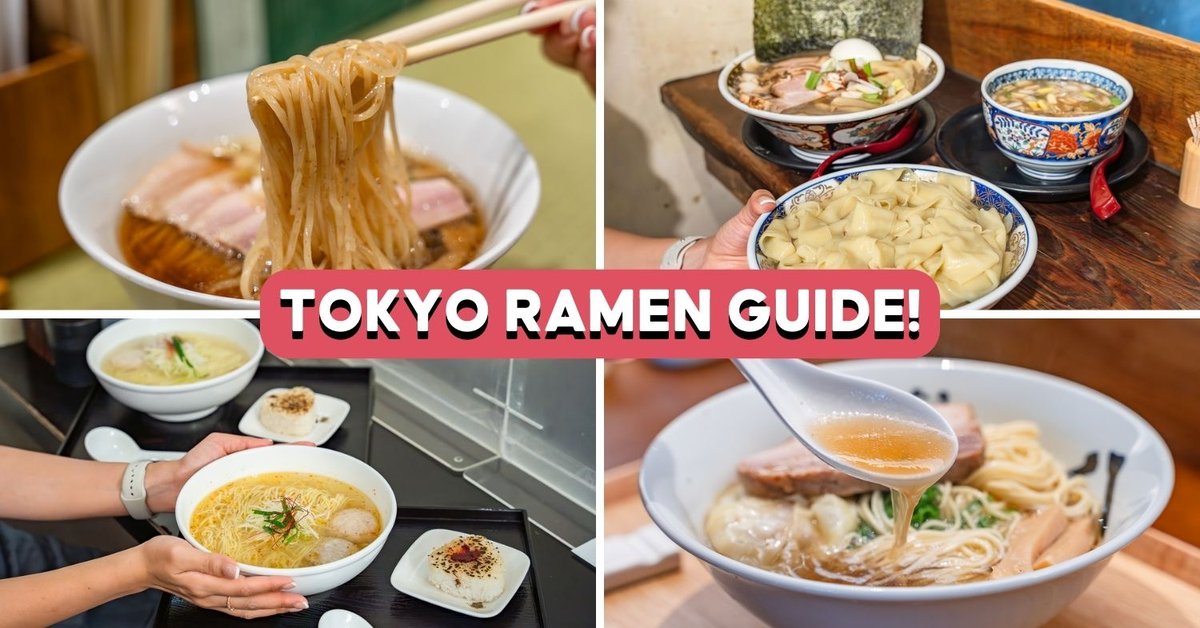
Stepping off Tokyo's bustling main thoroughfares, away from the glittering neon and corporate towers, is where the city truly reveals its soul. For those in the know, the ultimate culinary prize isn't a Michelin-starred spectacle, but the humble, often unseen establishments serving the best hole in the wall ramen Tokyo locals swear by. These aren't just restaurants; they're culinary sanctuaries tucked into alleyways, under train tracks, or behind nondescript facades, each bowl a testament to generations of dedicated craftsmanship and a truly authentic taste of Japan. Forget the flashy tourist traps; this is where the real magic happens, one slurp at a time.
At a Glance
- Uncover True Authenticity: Learn to identify genuine "hole in the wall" ramen spots favored by Tokyoites.
- Navigate with Confidence: Master the art of ordering, even without speaking Japanese, and understand local ramen etiquette.
- Explore Diverse Flavors: Discover lesser-known ramen styles beyond the common tonkotsu, like duck, chicken paitan, or lighter pork broths.
- Find Your Own Gems: Get actionable tips and a practical playbook for discovering these hidden noodle treasures yourself.
- Savor Unique Experiences: Gain insight into specific local favorites that offer an unforgettable taste of Tokyo.
The Irresistible Call of the Unseen Noodle
Why does the idea of a "hole in the wall" ramen shop hold such allure? It's more than just finding good food; it’s about discovery, authenticity, and a fleeting connection to local life. These places operate on reputation and repeat customers, not heavy marketing. They prioritize consistency, quality ingredients, and a singular focus on perfecting their craft. When you stumble upon one, often by accident or a trusted local tip, you're not just eating a meal; you're participating in a cherished ritual, experiencing a slice of Tokyo that few tourists ever encounter.
The experience is often intimate. Picture a tiny counter, seating maybe eight to ten people, the air thick with the aroma of simmering broth, the rhythmic clatter of bowls, and the contented slurping of patrons. There's a quiet hum of efficiency, a sense of purposeful dedication. This contrast to the often overwhelming scale of Tokyo is precisely what makes these spots so special. They embody the city's ability to hold profound depth and exquisite beauty in the smallest, most unassuming corners.
Spotting a True "Hole in the Wall" Ramen Shop
Finding these local favorites isn't always straightforward. They rarely boast English signs, flashy exteriors, or prime real estate. But with a keen eye and a bit of adventurous spirit, you can learn to recognize the tell-tale signs.
First, observe the queue. Not the perpetually long, tourist-heavy lines you see outside famous chains, but a shorter, more efficient line predominantly composed of local office workers, students, or elderly residents. This signifies consistent quality and local trust. Second, look for an unassuming facade. Often, these shops are tucked into narrow side streets, under train overpasses, or within residential areas, featuring simple signage, if any. The focus is always on the food, not the decor.
Third, check the menu display. Many genuine spots use ticket vending machines outside or just inside the door. While these can be intimidating without Japanese, a lack of extensive English translations often indicates a local-first establishment. Finally, trust your senses. Follow delicious aromas wafting from an alleyway, or listen for the distinct sounds of a busy, compact eatery. These subtle clues are often the most reliable indicators of an authentic find.
Decoding the Menu: Ordering Ramen Like a Local
One of the biggest hurdles for visitors is the language barrier. However, at many "hole in the wall" ramen shops, ordering is a streamlined process designed for efficiency, not lengthy conversation.
Most shops use a ticket vending machine (食券機 - shokkenki) near the entrance. You insert cash, select your ramen (often displayed with pictures or simplified Japanese characters), and the machine dispenses a ticket. Hand this ticket to the chef or server when you sit down. If there's no machine, simply point to the item you want on a wall menu. "Osusume" (おすすめ) means "recommendation," which is always a safe and often excellent choice. Don't be afraid to use simple gestures or even a translation app; locals appreciate the effort. Remember that many places are cash-only, so always have small denominations on hand.
Beyond Tonkotsu: Exploring Diverse Ramen Styles in Hidden Spots
While tonkotsu (pork bone broth) is iconic, Tokyo's ramen scene is a vast landscape of regional and experimental styles. The beauty of "hole in the wall" spots is their specialization; many dedicate themselves to perfecting one specific, often unique, ramen type.
- Duck Ramen: Imagine a rich, clear broth made from duck, expertly paired with seasonal leeks and tender slices of duck meat. This offers a deeply umami, yet surprisingly clean flavor profile.
- Chicken Paitan: This creamy, milky chicken broth is reminiscent of tonkotsu but without pork. It's often golden, deeply flavorful, and incredibly satisfying, showcasing the versatility of chicken.
- Yuzu Shio Ramen: For a lighter, refreshing experience, some shops offer shio (salt) ramen infused with the bright, citrusy aroma of yuzu. It's delicate yet impactful, a perfect antidote to heavier broths.
- Abura Soba: This "soupless ramen" is a game-changer. Thick, chewy noodles are tossed in a flavorful oil base with various toppings. You mix it all together yourself, creating an intensely concentrated burst of flavor. It's customizable and incredibly satisfying.
- Tsukemen: Dipping ramen, where cold, thick noodles are served separately from a rich, concentrated dipping broth. You dip the noodles into the soup, allowing you to control the intensity of each bite.
Seeking out these specialized styles in local shops will broaden your appreciation for ramen artistry.
Get off the beaten path. and dive into these unique culinary experiences; these ramen shops are just the beginning of Tokyo's secret culinary world.
Featured "Hole in the Wall" Ramen Gems Locals Swear By
Here are a few prime examples of the kind of dedicated, authentic ramen shops that capture the true spirit of a "hole in the wall" in Tokyo, drawing loyal local followings due to their exceptional quality and unassuming charm.
1. Homemade Ramen Muginae (Ōmori)
Near Omori Station, south of central Tokyo, Homemade Ramen Muginae is a pilgrimage site for serious ramen enthusiasts. The chef's dedication is palpable; every component, from the perfectly chewy, hand-kneaded noodles to the broth simmered for hours, is crafted from scratch daily. The atmosphere is quiet and focused, attracting those who come purely for the art in the bowl. It's not a place for loud conversation, but for contemplative appreciation of exquisite craftsmanship. Expect a precise, clear broth that showcases the purity of its ingredients, a stark contrast to heavier, bolder styles.
2. Ramen Kamo to Negi (Ueno)
Located in Ueno, Ramen Kamo to Negi (meaning "Duck and Leeks") is a testament to focused specialization. As its name suggests, this shop masterfully combines rich duck broth with domestic seasonal leeks. The result is a refined bowl that highlights both the savory depth of duck and the sweet, pungent freshness of leeks. The atmosphere is clean and meditative, and their commitment to quality extends to using filtered water for their stock. Each visit offers a subtly different experience, dependent on the season's best leeks, making it a true local treasure for duck ramen aficionados.
3. Ebisu Ramen Kamuro (Ebisu)
Tucked away in Ebisu, this shop elevates chicken ramen to an art form. Ebisu Ramen Kamuro is a favorite among local office workers, known for its diverse chicken-based bowls. The star is often their golden paitan (thick chicken broth), which delivers surprising depth of flavor without using any pork bones. The broth is rich and comforting, yet never heavy, complemented by tender pieces of chicken. It’s a perfect example of how a simple ingredient can be transformed into something extraordinary through dedication and technique.
4. Hakata Tenjin (Multiple Locations, e.g., Shinjuku)
For an authentic, no-frills Hakata-style tonkotsu experience, Hakata Tenjin is a classic. While it has several branches, each maintains a simple, intimate interior, seating only a few people at a time. For an incredibly affordable ¥650 per bowl, you get a milky, rich pork bone broth with the characteristic Hakata intensity. You can customize your noodle firmness (from bari-kata for extra firm to yawaraka for soft), and many regulars opt for kaedama (noodle refill) to finish off the delicious broth. It embodies the fast, efficient, and delicious spirit of true Japanese "hole in the wall" dining.
5. Tanaka (Near Shinjuku-Gyoenmae)
Tanaka stands out by defying expectations for pork ramen. Instead of a heavy, fatty broth, this shop is known for its light, clear pork ramen. The refined soup allows the quality of its ingredients to shine through, paired with firm, perfectly cooked noodles. It offers a satisfying, elegant experience without leaving you feeling uncomfortably full. This lighter style has garnered a loyal following among regulars who appreciate its subtlety and balance, proving that "hole in the wall" doesn't always mean bold and brash, but often meticulously refined.
6. Kikanbo (Kanda)
For those who crave heat, Kikanbo in Kanda offers a powerful experience. Specializing in fiery ramen with customizable spice levels—from mild to scorching—it’s not just about the heat. Kikanbo's unique blend of spices creates an addictive numbing sensation (mala), yet the well-developed broth beneath the spice still shines through. The simple interior reinforces that the focus is entirely on the potent, memorable bowls. It's a fantastic example of a "hole in the wall" that has perfected a specific, intense flavor profile.
The Etiquette of the Ramen-ya: Blending in Like a Local
Observing and respecting local customs enhances your experience and shows appreciation. Here are a few key points of ramen etiquette:
- Slurp Away: Slurping your noodles is not only acceptable but encouraged in Japan. It helps cool the hot noodles and enhances the flavor. Don't be shy!
- Eat Promptly: Ramen is meant to be eaten hot and quickly before the noodles get soggy. Don't linger over your meal or engage in prolonged conversation once your bowl arrives.
- Finish Your Broth (Optional but Appreciated): While not strictly mandatory, finishing your broth is a sign of ultimate appreciation for the chef's hard work.
- Respect the Space: "Hole in the wall" shops are often tiny. Keep your belongings compact, don't hog space, and be mindful of other diners.
- Pay Upfront (Often): If there's a ticket machine, you pay before you even sit down. Otherwise, pay at the counter when you leave.
Your Ramen Hunt Checklist: A Practical Playbook
Ready to embark on your own ramen adventure? Here’s a quick guide to help you find and savor those hidden gems.
- Choose Your Hunting Ground: Venture beyond major tourist hubs. Residential districts like Yanaka, Shimokitazawa, or areas around less central stations (like Omori, Ueno, Ebisu) are fertile ground for local favorites.
- Go Beyond Google Maps: While mapping apps can help you find some places, they won't always reveal the truly hidden, unlisted gems. Instead, look for:
- Queues of locals, especially during lunch (12-1 PM) and dinner (6-8 PM).
- Unassuming, often narrow doorways with simple or no English signage.
- Delicious aromas wafting from unexpected corners.
- Embrace the Unknown: Don't be deterred by a lack of English menus. Most shops have picture menus or a simple vending machine. A smile and a pointing finger go a long way.
- Cash is King: Many small, independent shops are cash-only. Always carry small yen denominations (¥1000, ¥5000 notes) and ¥100 coins.
- Be Prepared to Wait: While "hole in the wall" queues are often shorter and move faster than tourist traps, a short wait signifies popularity and quality.
- Trust Your Gut (and Nose): If a place looks busy with locals and smells incredible, it's usually a winner.
- Have a Backup: It's wise to have a second or third spot in mind if your first choice is closed or unexpectedly packed.
Common Pitfalls to Avoid
- Expecting Extensive English: While some shops are tourist-friendly, most "hole in the wall" spots cater to locals first. Don't assume an English menu or staff.
- Bringing a Large Group: These tiny shops are not designed for large parties. If you're more than two or three, consider splitting up or finding a larger establishment.
- Lingering After Your Meal: Finish your ramen and free up your seat promptly, especially if there's a queue.
- Ignoring the Queueing System: If there's a line, join it. Some shops have a sign-up sheet; others are simply first-come, first-served.
- Being Overly Loud: Maintain a respectful volume. These are often quiet, focused dining experiences.
Quick Answers: Common Questions about Tokyo's Hidden Ramen Gems
Q: How do I find the best hole in the wall ramen in Tokyo if I don't speak Japanese?
A: Focus on visual cues: look for local queues, simple facades, and ticket vending machines with pictures. Use simple gestures, point to items, or use a translation app. Many apps can scan and translate Japanese menus. Don't be afraid to try; locals appreciate the effort.
Q: Are "hole in the wall" ramen shops in Tokyo cheaper?
A: Often, yes. While some specialized or Michelin-starred ramen can be pricier, many authentic, local "hole in the wall" shops offer incredible value. You can often find a high-quality bowl for ¥700-¥1200, representing exceptional taste for the price.
Q: What's the best time to visit a hidden ramen shop to avoid crowds?
A: To avoid peak rush, try visiting just before lunch (around 11:30 AM) or after (around 1:30-2:00 PM) and earlier for dinner (around 5:30 PM) or later (after 8:00 PM). Weekends can be busy all day, so weekdays are often better.
Q: Can I customize my ramen at these local spots?
A: Customization varies. Many shops allow you to specify noodle firmness (katame for firm, futsuu for regular, yawaraka for soft), and some offer spice level adjustments. Additional toppings (toppings) are usually available for a small extra charge. Don't expect extensive changes to the broth or core ingredients, as the chef aims to present their perfected recipe.
Your Next Bite Awaits
The pursuit of the best hole in the wall ramen in Tokyo isn't just about finding a meal; it's an adventure into the city's authentic culinary heart. It requires a willingness to step off the well-trodden path, a dash of curiosity, and an openness to new flavors and experiences. Each unassuming doorway holds the promise of a unique story, a masterfully crafted bowl, and a memory that will linger long after the last slurp. So, grab your wallet, hone your senses, and let your adventurous spirit guide you to your next unforgettable ramen discovery. The true taste of Tokyo is waiting, hidden in plain sight.