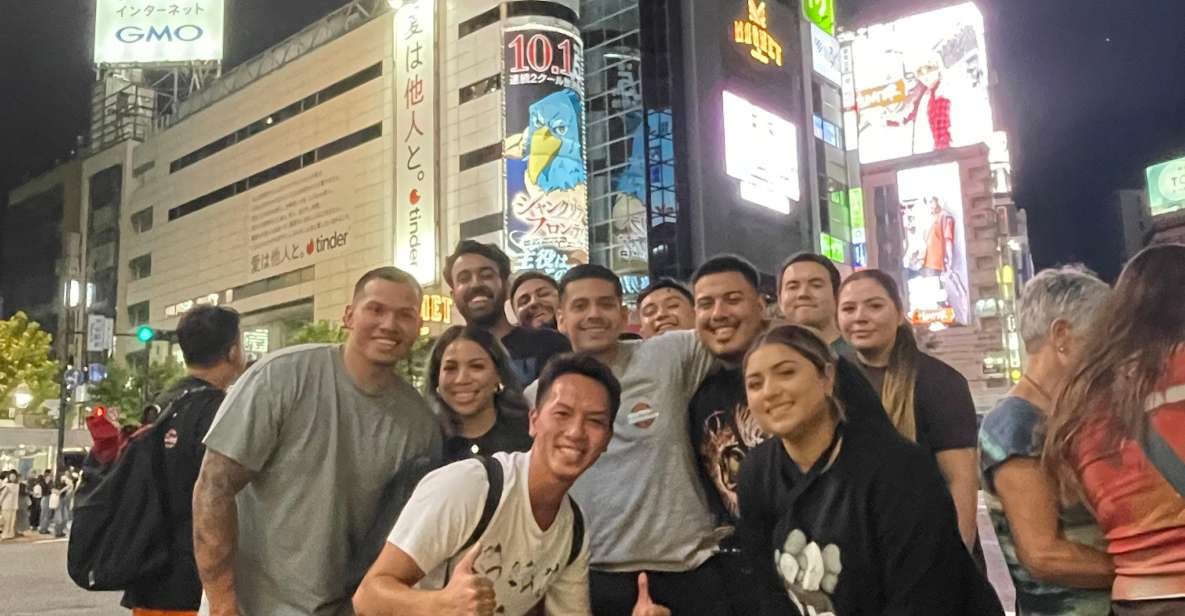
Shibuya's neon glow and iconic scramble are undeniable, but beneath the surface, a different kind of magic unfolds in its maze of backstreets: the authentic izakaya experience. It’s here, away from the main thoroughfares, that you discover the true heart of Tokyo’s convivial dining culture—places where the food is thoughtfully crafted, the drinks flow freely, and the atmosphere buzzes with local chatter. Finding these genuine local gems isn't always obvious, but the reward is a memorable taste of Japan far beyond the tourist trail.
At a Glance: Crafting Your Authentic Shibuya Izakaya Night
- Dive Deeper Than the Main Streets: True local flavor often resides in the less obvious, smaller alleys and upper floors.
- Embrace the Specialization: Many authentic izakayas focus on a specific cuisine (seafood, chicken, creative sours) rather than a sprawling, generic menu.
- Ask for Recommendations: Staff are often keen to share daily specials, seasonal sake, or unique drink pairings.
- Be Open to New Flavors: From modern twists on classics to fusion dishes, Shibuya’s izakayas are culinary innovators.
- Consider Early Arrivals or Reservations: Popular spots fill up quickly, especially for unique items.
- Understand the Otooshi: Expect a small welcome appetizer, usually added to your bill, which sets the tone for the meal.
Beyond the Buzz: What Makes a Shibuya Izakaya Truly Authentic?
In a district synonymous with trendsetting and constant reinvention, "authentic" in Shibuya doesn't always mean centuries-old or rustically traditional. Instead, it often signifies a place deeply rooted in quality ingredients, a distinctive culinary point of view, and a loyal local following. These are the spots where chefs put their heart into a specialty, whether it’s perfectly grilled chicken, ultra-fresh sashimi, or ingeniously crafted cocktails, creating an atmosphere that feels genuinely Japanese and welcoming. They are the antithesis of generic tourist traps, offering a genuine glimpse into the everyday pleasures of Tokyoites. To truly appreciate the breadth of Tokyo's culinary landscape, you must explore these specialized, local establishments that define the city's food culture—a core aspect of what makes Taste iconic Tokyo dishes such an unforgettable journey.
Navigating Shibuya’s Diverse Izakaya Landscape
Shibuya's izakaya scene is wonderfully varied, offering everything from fresh-from-the-sea delights to innovative modern takes on Japanese comfort food. Knowing what each gem specializes in can help you tailor your perfect evening.
The Freshest Catch: Unbeatable Seafood Izakayas
For those who crave the ocean's bounty, Shibuya delivers with izakayas that prioritize pristine seafood. These spots often boast daily-changing menus, reflecting the freshest seasonal hauls.
- Uoshin Shibuya stands out as a true seafood haven. Renowned for its generously portioned and reasonably priced sashimi, it’s a must-visit for any fish lover. The menu, updated daily, features both hot and cold dishes, so you might find anything from a vibrant sashimi platter to perfectly grilled miso-marinated swordfish. To snag the most popular items, arriving early is always a smart move. Their drinks list also evolves with the seasons, making it essential to chat with the staff for the day's best sake recommendations.
Modern Mixology and Inventive Bites: The New Wave
Shibuya is at the forefront of culinary trends, and its izakayas reflect this with creative cocktails and dishes that playfully twist traditional concepts.
- SG Low, a sister establishment to the acclaimed SG Club, embodies this modern spirit. Located discreetly on the second floor of an old office building, it specializes in contemporary lemon sour cocktails, offering an endless array of variations; the staff wisely suggest starting with their ‘normal lemon sour’ to appreciate the baseline. The food menu features sharing-style izakaya staples reimagined, such as deep-fried nankotsu (chicken cartilage) served with a zesty buffalo-wing sauce, a potato salad crafted to resemble ramen, rich mentaiko mac ‘n’ cheese, and luxurious mazemen noodles with uni and bone marrow. Each dish is expertly designed to complement their signature sours.
- Toridosi, tucked away in Shibuya’s quieter back alleys, focuses on expertly grilled chicken and delightful seasonal fruit sours. Their specialties include succulent grilled chicken legs and meaty gyoza wings that burst with flavor. The seasonal lemon sour toppings change with nature's rhythm, featuring fresh strawberries, passionfruit, mango, or watermelon. For a truly insider move, ask the staff to use the leftover chicken and juices from your grilled leg to prepare a savory garlic fried rice—a simple yet brilliant dish.
Unique Concepts and Themed Experiences: Beyond the Norm
Some izakayas offer a more conceptual or themed experience, providing both culinary delights and a distinctive atmosphere.
- Takamaru Denki is an eccentric, neon-lit dining space that channels a night market vibe, despite being a 12-minute walk from Shibuya Crossing. Portions are intentionally small here, encouraging guests to try a wide variety of items. Their signature sakura-pink lemon sour is a visual and taste sensation. Don’t miss their teppanyaki-grilled omelette, customizable with spicy tomato or oyster sauce, and optional toppings like enoki mushrooms, cheese, shrimp, or sliced pork.
- Ryukyu Chinese Tama, found near Aoyama Gakuin University, presents a fascinating fusion of Chinese and Okinawan cuisines. Here, you can savor homemade sausages infused with Okinawan chilies or indulge in their elevated taco rice made with premium Ozaki beef, a comforting Okinawan staple. The drinks menu complements the food with natural wines and fruit-infused awamori, Okinawa's distinctive shochu.
Steamed Delights and Global Wines: A Sophisticated Palate
For a slightly more refined, yet still undeniably authentic, experience, some izakayas offer unique cooking methods and curated drink selections.
- Hanchika is a spacious semi-underground izakaya, capable of seating 100 people and sometimes hosting events, yet maintains an intimate feel. Its specialty lies in dishes steamed in small bamboo baskets, particularly their flavorful pork and shrimp shumai. This spot also boasts an ever-changing selection of global indie wines, alongside highballs made with five distinct house-infused spirits, such as black tea, raisins, or dried lemon.
Hearty Staples and Hidden Haunts: The Classic Comforts
Sometimes, the best izakaya experience is found in a spot that excels at classic dishes, delivered with unwavering quality in a local setting.
- Yoshuku no Teppen Otoko Dojo in Udagawacho is instantly recognizable by its massive, two-handed beer jugs—perfect for group celebrations. It serves standard izakaya platters, from seasonal sashimi to crispy deep-fried oysters, with many dishes expertly cooked on a teppanyaki griddle. Highlights include a tender skirt steak with onion dressing and smoky duck tataki. The staff are known for being particularly helpful with birthday celebrations, adding a personal touch to your meal.
- Shirubee Shibuya is a truly secluded izakaya, a challenge to find but worth the hunt (tip: look for the rear of the building next to ABC Mart, proceed to the end of the corridor, and find the door to a passageway overlooking railway tracks). With a 100-person capacity, it often requires advance booking due to its popularity. The menu focuses on well-executed izakaya staples, including impeccably fresh sashimi and rich, Japanese-style beef stew, all served in a genuinely local atmosphere.
Crafting Your Authentic Shibuya Izakaya Experience: A Playbook
To truly immerse yourself in Shibuya’s izakaya culture, a little preparation goes a long way.
Choosing Your Vibe
Before heading out, consider what kind of experience you’re after. Do you want:
- Seafood Focus? Head straight for Uoshin Shibuya.
- Craft Cocktails & Modern Twists? SG Low or Toridosi are your go-to.
- Unique Themed Dining? Takamaru Denki or Ryukyu Chinese Tama offer distinct experiences.
- Steamed Dishes & Indie Wines? Hanchika provides a sophisticated choice.
- Classic Izakaya Staples & Hearty Drinks? Yoshuku no Teppen Otoko Dojo or Shirubee Shibuya fit the bill.
Decoding the Menu and Ordering Like a Local
Izakaya menus are designed for sharing. Don't order everything at once; pace yourself and order more as you go.
- Start with drinks: Most people order their first drink right away.
- Small plates first: Begin with a few lighter dishes like edamame, tsukemono (pickles), or a small sashimi platter.
- Move to grilled/fried: Then order your yakitori, tempura, or other cooked items.
- Finish with carbs: Onigiri (rice balls), ochazuke (rice in broth), or noodles are common ways to conclude the meal.
- Embrace the Otooshi: This small appetizer, served automatically and added to your bill, is a common practice. It's not usually something you can refuse, but it's part of the experience.
Drink Smart: Beyond Just Beer
While beer is a staple, explore other options:
- Sake: Many izakayas, especially seafood-focused ones like Uoshin Shibuya, offer a diverse regional sake selection. Don't hesitate to ask staff for daily recommendations.
- Shochu/Awamori: Experience local spirits. Ryukyu Chinese Tama offers fruit-infused awamori.
- Highballs: A popular choice, often made with house-infused spirits at places like Hanchika.
- Craft Sours: SG Low and Toridosi are masters of the lemon and fruit sour, offering refreshing and complex options.
Etiquette Essentials
- Kanpai! Raise your glass and say "Kanpai!" before the first sip.
- Sharing is Caring: Dishes are meant to be shared.
- Table Calls: To get a staff member's attention, a polite "Sumimasen!" (Excuse me!) or pressing a call button if available is customary.
- Cash or Card: While many places accept cards, smaller, more traditional spots might be cash-only, so always carry some yen.
Booking and Timing
- Reservations: For popular places like Shirubee Shibuya or if you’re a larger group, making a reservation is highly recommended, especially on weekends.
- Arrive Early: For spots that don't take reservations or have highly sought-after daily specials (like Uoshin Shibuya), arriving just before opening or early evening (e.g., 5:30-6:00 PM) can secure you a seat and your desired items.
Quick Answers for the Curious Traveler
Q: What truly makes an izakaya "authentic" in Shibuya?
A: Authenticity in Shibuya isn't solely about age, but about a place’s dedication to quality, unique culinary focus, and its appeal to local patrons. It’s about the specific skill in grilling chicken, the freshness of daily seafood, innovative cocktail programs, or a distinct atmosphere that reflects a particular niche rather than trying to be all things to all people. Think of it as a specialist rather than a generalist.
Q: Do I need to speak Japanese to enjoy an izakaya experience?
A: While a few basic Japanese phrases (like "Sumimasen!" for attention, "Arigato gozaimasu!" for thank you, and "Oishii!" for delicious) are appreciated, many izakayas in Shibuya, especially those frequented by international visitors, will have English menus or staff with some English proficiency. Don't be afraid to point or use translation apps; the spirit of hospitality usually transcends language barriers.
Q: How much should I expect to spend at an authentic Shibuya izakaya?
A: The cost can vary widely depending on the izakaya's style and your consumption. A casual evening with a few dishes and drinks per person might range from JPY 3,000 to JPY 5,000. More upscale or specialized spots, particularly those focusing on premium ingredients like Wagyu or specific types of sake, could easily go upwards of JPY 6,000 to JPY 8,000+ per person. It’s generally an affordable way to eat and drink well compared to other dining options.
Q: Are izakayas vegetarian or vegan-friendly?
A: It can be challenging, but not impossible. Many izakayas feature a lot of meat and fish, and dashi (fish stock) is a common base. However, you can often find vegetable-based dishes like edamame, hiyayakko (cold tofu), various salads, tsukemono (pickles), and sometimes grilled vegetables (yasai itame). It’s best to research specific izakayas beforehand or be prepared to communicate your dietary needs clearly.
Q: Can I go to an izakaya alone?
A: Absolutely! Many locals enjoy izakayas solo, especially at the counter seating (kauntaa seki). It's a fantastic way to observe the culinary action, engage with the staff, and soak in the atmosphere at your own pace. Don't hesitate to embark on a solo izakaya adventure.
Your Next Step: Finding Your Shibuya Izakaya Gem
Shibuya is more than just a famous crossing; it's a vibrant tapestry of culinary experiences waiting to be discovered. By venturing beyond the obvious, you unlock a world of authentic izakayas, each offering a distinct flavor, atmosphere, and story. Whether you’re drawn to the freshest sashimi, the most inventive cocktails, or the comforting embrace of classic Japanese dishes, the perfect authentic izakaya experience in Shibuya is within reach. Use these insights as your guide, embrace the spirit of discovery, and prepare to create unforgettable memories in one of Tokyo's most dynamic districts.