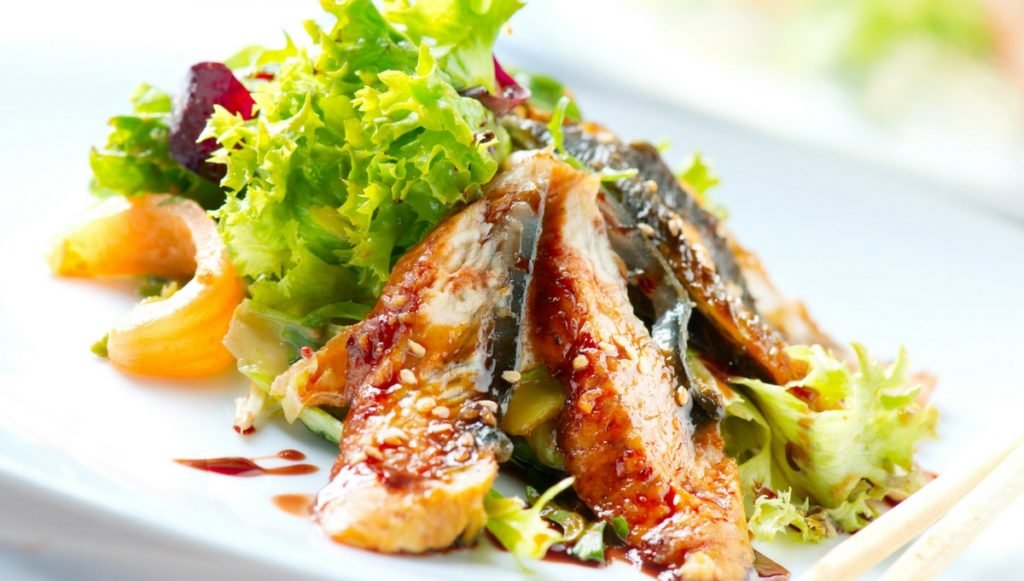
In Tokyo, the phrase "Michelin star" often conjures images of exorbitant prices and exclusive dining rooms. However, the reality of affordable Michelin star meals Tokyo presents a delightful paradox. This city, home to more Michelin stars than any other on the planet, actively defies the stereotype, proving that world-class cuisine isn't just for the ultra-wealthy. Imagine savoring a meticulously crafted dish recognized by the world's most prestigious food guide, all without breaking your travel budget. Tokyo doesn't just offer this; it makes it an accessible, everyday culinary adventure.
At a Glance: Your Pathway to Affordable Michelin Dining
- Tokyo is a Michelin Paradox: The city has the most stars globally but also offers some of the most affordable Michelin-recognized meals.
- Lunch is Your Golden Ticket: Many top-tier restaurants offer significantly cheaper lunch sets, often a fraction of dinner prices.
- Bib Gourmand is Your Friend: These restaurants are recognized for "exceptionally good food at moderate prices," usually under $15-$20.
- Ramen Rules: Michelin-starred ramen shops are a unique Tokyo phenomenon, serving award-winning bowls for around $10-$12.
- Preparation is Key: Expect queues, plan to arrive early, and often bring cash.
Tokyo's Culinary Landscape: Where Excellence Meets Accessibility
Tokyo's gastronomic scene is unparalleled, boasting 263 Michelin stars across 200 restaurants in its 2023 guide. This sheer volume creates a competitive environment that, surprisingly, drives down prices for certain categories of food. Unlike other global dining capitals where a Michelin star invariably means a triple-digit bill, Tokyo offers an array of options where you can enjoy award-winning ramen, tempura, or yakitori for under $30, sometimes even under $10, in 2025. It's a testament to Japan's culinary culture, where precision, quality ingredients, and masterful technique are applied to every dish, regardless of its price point.
This unique accessibility allows diners to experience high-end cooking without the financial strain typically associated with it. If you're planning your culinary journey through Japan's capital, understanding where to indulge and where to save is crucial. For a broader overview of how to navigate both ends of the spectrum, exploring a comprehensive guide to Tokyo dining: Indulge or save can provide invaluable context for your trip.
Beyond the Gold Standard: Why Tokyo Redefines "Affordable Fine Dining"
The concept of an "affordable Michelin star meal" isn't a marketing gimmick in Tokyo; it's a deeply ingrained aspect of its food culture. This phenomenon primarily stems from two key factors:
- The Lunch Advantage: Many Michelin-starred establishments, particularly those offering traditional Japanese cuisine like tempura or kaiseki, provide lunch sets that are significantly cheaper than their dinner counterparts. These lunches often feature the same caliber of ingredients and culinary skill, just in a more condensed or simplified format, making them an incredible value.
- Specialized Cuisine Stars: Ramen, soba, yakitori, and tempura are considered complete dining experiences in Japan. When a shop specializing in one of these dishes earns a Michelin star, it means they've elevated that specific cuisine to an exceptional level. Because these are often single-dish focus restaurants, their pricing naturally remains low, even with the prestigious accolade.
Your Guide to Michelin-Starred Ramen: Bowls Under $15
Tokyo's ramen scene is legendary, but a Michelin star takes it to another dimension. These aren't just bowls of noodles; they're intricate culinary creations. Expect to pay around ¥1,000 to ¥1,500 ($8–$12) for a life-changing bowl.
- Tsuta (Sugamo): As Tokyo's first ramen shop to earn a Michelin star, Tsuta set the benchmark. They're renowned for their innovative soba noodles served in light, clear broths—whether salt, soy sauce, or miso—with a signature hint of truffle.
- Pro Tip for Tsuta: This place is a sensation. To secure one of their approximately 150 daily bowls, you need to arrive early to get a timed ticket. Think 7:00 AM on weekdays, even 6:30 AM on weekends. Tickets typically sell out by 10:00 AM, so plan to start your day with an early culinary mission.
- Nakiryū: Another Michelin-recognized ramen joint, Nakiryū has garnered international fame for its incredible dan-dan noodles. Their version features a rich, complex sesame-based broth that's both savory and subtly spicy, topped with perfectly seasoned minced pork. It's a masterclass in balance and depth of flavor.
- Heads Up: Like Tsuta, Nakiryū draws crowds. While they might not use a ticketing system, expect a substantial wait, especially around peak lunch hours.
- Soba House Konjiki Hototogisu: Don't let the "Soba House" fool you; this spot is lauded for its innovative soba-style ramen, earning its Michelin star for pushing boundaries. Their signature dish often features a delicate clam broth, complemented by ham and the elusive aroma of truffle. It's a nuanced, refined take on ramen that challenges traditional expectations.
- Unique Flavor Profile: If you're looking for something beyond the typical tonkotsu or shoyu, Konjiki Hototogisu offers a truly gourmet ramen experience that's both comforting and adventurous.
Savoring Soba and Sardines: Unexpected Stars for Under $10
Beyond ramen, other traditional Japanese quick eats have earned Michelin recognition, proving that simplicity can be sublime.
- Sasuga (Ginza): Nestled in the upscale Ginza district, Sasuga offers an unexpectedly affordable Michelin-recognized experience centered around soba. You can choose between warm kakesoba (noodles in hot soup) or refreshing zaru soba (cold noodles with a dipping sauce). For a slight upgrade of around ¥500, try their kamonegi soba, featuring tender duck and crisp green onions.
- Location Convenience: Being just five minutes from Ginza Station makes it an ideal stop for a high-quality, quick lunch amidst your shopping or sightseeing.
- Shinjuku Kappo Nakajima (Shinjuku): This one-Michelin-star restaurant is a true anomaly, offering exquisite iwashi (sardines) prepared in multiple ways for an incredibly low lunch price. Starting from just ¥800, you can enjoy them nabe-style, perfectly grilled, or as sashimi with a delicate ginger and sesame marinade. This is authentic, refined Japanese cuisine at a steal.
- The Early Bird Advantage: Lunch here is legendary, and queues begin forming well before its 11:30 AM opening. Arrive early to guarantee a spot. It's important to note: while lunch is a budget-friendly marvel, their dinner kaiseki menu exceeds ¥10,000 per person, so choose your timing wisely.
Elevated Everyday Eats: Tempura and Yakitori That Won't Break the Bank
While specialized noodle shops dominate the ultra-affordable category, you can also find Michelin-starred opportunities in other beloved Japanese cuisines if you're willing to stretch your budget slightly (think $25-$35).
- Tempura Fukamachi: A one-Michelin-star restaurant that excels in the delicate art of tempura. The magic here is the lunch set, starting around ¥4,500 ($30). This allows you to experience the same masterful technique—perfectly crisp batter, fresh seasonal ingredients—that would cost significantly more during dinner service. It's an ideal way to taste high-end tempura without the full luxury price tag.
- Value Proposition: The lunch service at Fukamachi is a prime example of Tokyo's "lunch advantage," offering an identical quality experience at a greatly reduced cost.
- Toriki (Sumida ward): For yakitori aficionados, Toriki holds a coveted Michelin star, signifying its mastery of grilled chicken skewers cooked over binchōtan charcoal. The dinner courses here start around ¥5,000 ($35). While not as inexpensive as a bowl of ramen, it's an excellent price for a Michelin-starred dinner, especially considering the quality and precision involved in preparing each skewer.
- Reservation Recommended: Given the intimate nature of yakitori restaurants and their limited seating, calling ahead to reserve your spot is highly advisable.
Bib Gourmand Gems: Uncovering Tokyo's Best Value
Beyond the prestigious stars, the Michelin Guide also shines a light on "Bib Gourmand" restaurants. These establishments are recognized for offering "exceptionally good food at moderate prices," typically meaning a full meal for under ¥2,000 (around $15). This category is a treasure trove for budget-conscious foodies seeking quality without the star-level premium.
- Sushi Tokyo Ten (Shinjuku Branch): While not carrying a full star, Sushi Tokyo Ten holds a Bib Gourmand nod, and for good reason. Their lunch omakase (chef's choice) starts at an astonishing ¥3,500 ($25). This offers an authentic, high-quality sushi experience where you can trust the chef to serve you the freshest seasonal catches without the intimidating price tag often associated with Tokyo's top sushi counters.
- Omakase Accessibility: This is an exceptional entry point for experiencing an omakase meal, usually reserved for much higher budgets, in a relaxed yet refined setting.
- Diverse Bib Gourmand Delights: The Bib Gourmand list is extensive and covers a wide array of Japanese cuisines, from casual kushiyaki skewers and hearty tonkatsu (breaded pork cutlet) to vibrant izakaya dining. Exploring these listings can lead you to countless delicious, affordable discoveries across the city.
Mastering the Hunt: Your Practical Playbook for Affordable Michelin Dining
Securing an affordable Michelin-starred meal in Tokyo isn't just about knowing where to go; it's about knowing how to navigate the unique landscape. Follow these actionable strategies:
- Prioritize Lunch: This cannot be stressed enough. Lunchtime is the undisputed champion for budget-friendly Michelin experiences. Research restaurants for their specific lunch set offerings.
- Embrace Bib Gourmand: Don't dismiss these listings. A Bib Gourmand recognition means fantastic food at a price point that's genuinely accessible. It's often where locals dine for their everyday excellence.
- Be an Early Bird (Especially for Ramen): Michelin-starred ramen and soba shops rarely take reservations. Your best bet for a minimal wait and to ensure they haven't sold out is to arrive 30-60 minutes before opening. For places like Tsuta, even earlier.
- Leverage Local Apps Like Tabelog: While Google Maps is helpful, Japanese dining apps like Tabelog offer more reliable, up-to-date reviews, photos, and crucial information like current waiting times and acceptance of credit cards. Use Google Translate's camera function for navigation if needed.
- Always Have Cash: Many smaller, traditional establishments, especially ramen and soba shops, operate on a cash-only basis. Don't get caught without Japanese Yen.
- Prepare for Queues: Patience is a virtue in Tokyo's culinary scene. Popular Michelin-recognized spots, especially the affordable ones, will have lines. View it as part of the authentic experience.
- Check for Closing Days and Hours: Michelin-starred restaurants often have specific closing days (e.g., Sunday or Monday) and can have unusual operating hours. Confirm before you make the journey.
Quick Answers: Common Questions About Affordable Michelin Meals
Q: Is it really "fine dining" if it's so cheap?
A: Absolutely. In Tokyo, "fine dining" often refers to the precision of technique, the quality of ingredients, and the artistry of the chef, rather than necessarily the price point or the formality of the setting. A Michelin-starred ramen shop embodies this: it's about the perfection of that single bowl, not a multi-course tasting menu.
Q: Do I need to make reservations for these affordable Michelin places?
A: For most truly affordable Michelin experiences (especially ramen, soba, and Bib Gourmand spots), reservations are generally not taken, or only for larger groups. However, for a one-star restaurant offering a slightly pricier lunch set (like Tempura Fukamachi or Toriki), making a reservation a few days in advance is often wise and can save you a significant wait.
Q: What's the main difference between a Michelin star and a Bib Gourmand award?
A: A Michelin star (one, two, or three) denotes "exceptionally good cooking worth a stop," "excellent cooking worth a detour," or "exceptional cuisine worth a special journey," respectively, with no explicit price consideration. A Bib Gourmand, on the other hand, specifically recognizes "exceptionally good food at moderate prices," making it a direct recommendation for value.
Q: Can I find vegetarian or vegan options at these restaurants?
A: While Japanese cuisine traditionally relies on dashi (fish stock), vegetarian and vegan options are becoming more common, especially in modern establishments. However, for traditional ramen, soba, tempura, or yakitori shops, it can be challenging to find truly vegetarian/vegan options without modification. It's best to research specific menus or use translation apps to inquire directly.
Your Next Culinary Adventure Awaits
Tokyo's reputation as a high-end dining paradise often overshadows its incredible accessibility for budget-conscious food lovers. The opportunity to experience affordable Michelin star meals Tokyo offers isn't just a travel hack; it's a profound insight into the city's culinary soul. It's a place where mastery is celebrated at every level, from a humble bowl of noodles to an elaborate kaiseki. Armed with these insights and strategies, you're now ready to embark on a delicious journey that will elevate your perception of what's possible in fine dining, proving that world-class flavors can indeed be within reach.